
Quick Answer
Fixer-uppers in Texas offer median prices around $149,000 in cities like Waco, up to 54.2% below the national median for all homes. But with renovation costs averaging $50k, $150k and Texas-specific risks like foundation issues or high insurance premiums, only buyers with strong budgets, skills, and time should pursue them. Wait for move-in-ready homes if you lack a $20k+ reserve or rely on stable income.
Updated August 2026
Key Takeaways
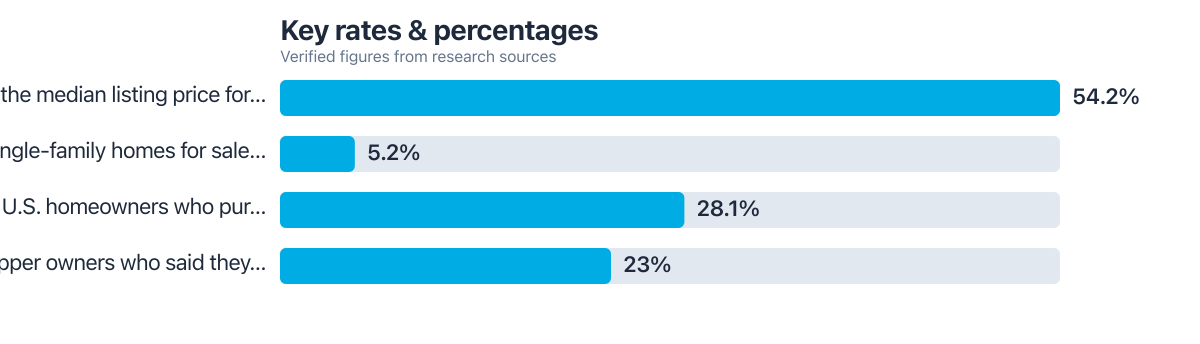
- Fixer-uppers in Waco have a median price of $149,000, 54.2% below the national median of $436,250, according to Realtor.com Economic Research (2025).
- Renovations in Texas typically cost 10–20% more than the national average, with Dallas kitchen remodels averaging $42,000.
- Over 32% of renovation projects in Texas exceed their original budget, based on a 2025 Hippo Insurance survey.
- Move-in-ready homes in Austin and Dallas sell in 50.5 days on average, slightly faster than fixer-uppers, which take 53 days.
- FHA 203(k) loans require a minimum credit score of 580 and a 3.5% down payment to cover both purchase and rehab.
- Homeowners in high-risk flood zones in Texas face insurance premiums exceeding $10,000 annually.
Texas’s housing market is softening this August. Inventory is climbing, and the median price across urban centers sits at $334,000. Fixer-uppers, homes that need real work before you can live in them comfortably, are showing up more often, especially in smaller markets like Waco, where the median for these properties runs $149,000. That’s a 54.2% gap below the national median of $436,250 for single-family homes, per Realtor.com Economic Research (2025). For a buyer trying to get in the door without blowing the budget, that gap looks tempting. Whether it actually pays off depends on how much cash you have on hand, how much time you can give a project, and how exposed the property is to Texas-specific risks like storm damage or spiking insurance costs.
Is a Fixer-Upper Still a Smart Entry Point in Texas in 2026?
A fixer-upper still buys you a lower price tag in 2026, but that only matters if you can survive the whole renovation timeline without cracking. According to Realtor.com Economic Research, the average fixer-upper runs 54.2% cheaper than a comparable move-in-ready property. Sounds great on paper. In practice, repairs eat that discount fast. Take a $200,000 fixer-upper in Austin: throw $80,000 at repairs and you’ve already blown past the savings you thought you locked in. Waco tells a similar story. Median fixer-uppers there sit at $149,000, a bigger gap than Austin’s, but permit fees and materials, up 6.2% year-over-year in 2026, chip away at that cushion.
Compare that to Houston or Dallas, where move-in-ready homes list around $350k to $450k. You pay more up front, sure, but you skip the surprise invoices. Anyone weighing this tradeoff needs to be honest about whether a 6 to 12 month renovation fits their schedule and their bank account. If money’s tight or your timeline’s rigid, waiting makes more financial sense than most people want to admit. Price isn’t really the whole story here, it’s the stress and the missed opportunities while your cash sits tied up in drywall and permits. If you’re planning to buy a home, know how much you should save for a down payment on a house: How Much to Save for a Down Payment on a House: A Step.
Key Takeaway: In Texas, fixer-uppers average $149,000 in Waco, 54.2% below national median prices, but renovation costs often erase the discount. A 2025 Realtor.com report shows most buyers pay more in total cost after repairs.
What Loans Actually Work for Fixer-Uppers in Texas?
A standard mortgage won’t touch repair costs. You’ll need a renovation loan, and the FHA 203(k) program, backed by HUD, is the one most buyers reach for. It bundles the purchase price and the rehab budget into a single loan. The minimum credit score is 580, and the down payment starts at 3.5%. HUD’s own guidelines describe the 203(k) as insurance for mortgages that cover both the purchase (or refinance) and the rehabilitation of homes at least a year old, which is what lets buyers finance repairs and upgrades in one shot instead of juggling two loans.
Approval isn’t automatic, though. You’ll need documented repair estimates and actual contractor bids before a lender signs off. In Texas, permit backlogs and a shortage of licensed contractors, particularly near flood-prone areas, can drag a project out for months. Waco alone saw permit processing times jump 12% in 2026. That kind of delay slows down how quickly you build equity and puts pressure on cash flow in the meantime. Reserves matter too: most lenders want to see 2 to 3 months of payments sitting in escrow before they’ll approve anything. Understanding the full scope of homeownership costs is critical. More on hidden costs of homeownership first can help you avoid financial surprises.
Key Takeaway: Only 28.1% of U.S. homeowners bought fixer-uppers, and most require FHA 203(k) loans. Borrowers must show repair plans and reserves. HUD’s 203(k) program covers both purchase and rehab, but delays are common.
Why Do Texas Renovations Often Go Over Budget?
National averages don’t hold up in Texas. Dallas kitchen remodels ran about $42,000 in 2026. Austin bathrooms averaged $18,000. A full moderate renovation, kitchen, bath, flooring, HVAC, lands somewhere between $50,000 and $150,000, and that range keeps sliding upward. Labor costs climbed 7.1% year-over-year, and materials are still priced high thanks to supply chain issues left over from past hurricane seasons. Even something as narrow as foundation repair can run $25,000 in the state’s higher-risk zones.
A lot of buyers skip the contingency line item entirely. Industry advice says build in 10 to 20% extra, but even that cushion often falls short here. A 2025 survey found 23% of fixer-upper owners said, given a second chance, they’d have bought move-in-ready instead. On average, renovations blow past budget by 32%. Stack that on top of rising insurance, older homes in Houston are now seeing premiums over $12,000 a year, and whatever savings you started with tend to disappear. If you’re juggling multiple financial goals, consider how to save for a sabbatical: A Complete Financial Roadmap can guide you through long-term planning without derailing your home purchase goals.
Key Takeaway: Texas renovations cost 10–20% more than national averages, with Dallas kitchens averaging $42,000. Hippo Insurance’s 2025 survey shows 23% regret among fixer-upper buyers due to cost overruns.
Should You Wait for a Move-In-Ready Home in 2026?
If you don’t have $20,000 or more sitting in reserve, or if your household leans on one income, yes, wait. Move-in-ready homes in Austin and Dallas move fast, an average of 50.5 days on the market, according to Realtor.com Economic Research (2025), versus 53 days for fixer-uppers. That gap sounds small, but the cost of waiting stacks up. Rent for 12 months in a $2,500-a-month market runs $30,000, more than plenty of renovation budgets, which tells you something about the math involved. Texas skips state income tax, small comfort, but property taxes climbed 4.9% year-over-year, and a renovation often triggers a re-assessment that pushes your bill higher still.
Households earning $80k to $100k with steady jobs and some hands-on skill might still make a fixer-upper work. Anyone carrying heavy debt or sitting below a 680 credit score should probably sit this one out. Qualifying gets harder even with FHA 203(k) backing. A 2024 NerdWallet study found 61% of borrowers with a debt-to-income ratio above 43% got turned down for loan modifications. If you’re planning to make a major life change, like saving for college, knowing the best ways to save for college as a parent: 529 plans and beyond can help you balance priorities.
Key Takeaway: Move-in-ready homes sell in 50.5 days vs. 53 days for fixer-uppers. A 12-month rental gap in Texas costs ~$30,000, more than most repair budgets. Realtor.com data shows 54.2% price discounts often vanish after repairs.
| Item | Fixer-Upper (Texas) | Move-In-Ready (Texas) |
|---|---|---|
| Median Price | $149,000 (Waco) | $350,000+ (Austin/Dallas) |
| Renovation Cost | $50,000–$150,000 | $0 |
| Days on Market | 53 days | 50.5 days |
| Insurance Premiums | Up to $12,000/year (flood zones) | $5,000–$8,000 |
| Repair Overrun Risk | 32% (2025 survey) | 0% |
Case Study: A Family’s Decision in Waco, Texas
The Martinez family, two incomes totaling $92,000, went looking for a home in Waco back in 2025. They found one for $149,000, wiring that needed replacing, a roof on its last legs. Contractors quoted $85,000 for repairs, which pushed the real total north of $230,000. Then came the worse news: the property sat in a high flood zone, and insurance quotes came back over $10,000 a year. They walked away, and instead bought a move-in-ready home nearby for $345,000, financed with a conventional loan and 20% down. Skipping the fixer-upper spared them from a likely cost overrun and freed up money for something they actually wanted, a vacation. How to Save for a Dream Vacation Without Going Into Debt helped them track progress without dipping into home savings.
Should You Buy a Fixer-Upper in Texas? A Step-by-Step Plan
Run through this checklist before you make an offer:
- Evaluate your emergency fund. Do you have at least $20,000 in liquid reserves?
- Check your credit score. Is it above 680? FHA 203(k) requires 580+.
- Assess your skills. Can you manage small repairs or coordinate contractors?
- Get three repair estimates. Include 20% contingency.
- Calculate post-renovation insurance and property tax costs.
- Compare total cost of ownership: purchase + rehab vs. move-in-ready.
- Review your long-term goals. Are you saving for college or a sabbatical? A Complete Financial Roadmap can help you align homebuying with other life milestones.
Frequently Asked Questions
Is it worth buying a fixer-upper in Texas in 2026?
Only if you have a $20k+ reserve and time to manage renovations. In Waco, median fixer-uppers are priced at $149,000, but repairs often exceed savings. Most buyers regret the choice if they lack skills or funds.
How much should I budget for renovations in Texas?
Expect $50,000–$150,000 for a full moderate reno. Dallas kitchens average $42,000; bathrooms, $18,000. Always include a 10–20% contingency buffer.
Can I get a mortgage for a fixer-upper in Texas?
Yes, via FHA 203(k) or HomeStyle loans. You need a credit score of 580+, repair bids, and 3.5% down. Lenders require proof of reserves and contractor contracts.
How long does it take to sell a renovated fixer-upper in Texas?
Typically 53 days on average. Move-in-ready homes sell in 50.5 days. Post-renovation, you may gain a 3.7% premium, but only if repairs are high-quality and targeted.
What are the biggest risks of buying a fixer-upper in Texas?
Foundation issues, permit delays, contractor shortages, and rising insurance premiums in flood zones. In 2026, Waco saw a 12% increase in processing time. Over 20% of DIY renovators report regret due to cost overruns.