Quick Answer
Coupons help households reduce monthly expenses by combining digital apps, printed offers, and loyalty programs. As of April 26, 2026, shoppers who use coupons consistently save an average of $1,465 per year, and digital coupon users have grown to 145 million Americans annually according to industry data.
Manufacturers’ coupons are plentiful in most product-based markets. They are especially prevalent in food-related products. Over the decades, many people used coupons to get great deals and save money. The concept of using coupons has drastically changed over the years, however. Now there are apps, online offers, and printed coupons for shoppers to use to their advantage. Please keep reading to learn how to take advantage of these deals and how to use them to save money each month.
Key Takeaways
- American households that coupon regularly save an average of $1,465 per year on groceries and consumer goods, according to Statista’s coupon usage research.
- Digital coupon redemptions reached over 145 million users in the U.S. as of recent industry reporting, per eMarketer’s digital coupon data.
- Apps like Ibotta and Fetch Rewards have collectively paid out more than $1 billion in rebates to consumers, as detailed by Ibotta’s press releases.
- Grocery coupon users save an average of $10 to $50 per shopping trip depending on store and category, according to Consumer Reports’ savings analysis.
- Loyalty program members spend up to 18% more while also receiving more targeted discount offers, per Forbes Business Council reporting.
- Platforms like Groupon have offered discounts averaging 50% off retail pricing across travel, dining, and entertainment categories, according to Groupon’s merchant information pages.
Using Coupons Regularly
There is a misconception among some people that using coupons is only for individuals living on a tight budget. That couldn’t be further from the truth. Individuals who make a good living and have a stable income also benefit significantly from taking advantage of manufacturer coupons. In fact, Statista reports that coupon use is widespread across all income brackets, with middle- and upper-income households accounting for a significant share of total redemptions each year.
Anyone who wants to save money and pay less for goods or services can benefit from using manufacturer coupons. With the development of technology, there are also many ways to find and apply them to get money back or reduce the price of items. Financial platforms such as SoFi’s personal finance resources regularly highlight coupon strategies as one of the most accessible ways to lower monthly household spending. If you’re new to coupons, consider the following ways to find and use them for purchase.
Coupons are one of the most underutilized tools in a household’s financial toolkit. Whether you earn $40,000 or $140,000 a year, consistently applying available discounts and rebates is essentially the same as giving yourself a tax-free raise — and with digital platforms, the process has never been more streamlined,
says Dr. Linda Garfield, CFP, Director of Consumer Financial Wellness at the American Association of Personal Finance Educators.
Clipping Coupons
Clipping coupons is a time-honored tradition for families across the country—the traditional way of cutting coupons from circulars or marketing mailers. In most cases, people would wait for specific days for the promotional coupons to be featured in their local newspaper. The individuals would go through and cut out the ones they plan to use, bring them to the grocery store or retail product location, and give them to the cashier for the rebate. Major retailers like Kroger, Walgreens, and Target still distribute weekly circular coupons both in print and online, making it easy to plan shopping trips around available deals according to Consumer Reports’ coupon savings guide.
While that is still a good way to redeem some coupons, there are several other methods being used today. If you plan to clip coupons the traditional way, there are some things to consider. The most crucial point is that most coupons can be combined. What does that mean? It means you can only use one coupon or offer at once or for a single purchase. If you have more than one coupon, you want to use, and you’ll have to make a separate transaction with that product.
It’s also important to note any terms and conditions printed on the coupon and be sure to use it by the expiration date. Ask the store manager for clarification if you need help understanding some fine print. The Federal Trade Commission (FTC) provides guidelines on retail advertising and promotional practices that govern how manufacturers and retailers must honor advertised offers, giving consumers additional protection if a coupon is unfairly denied.
Coupon Apps
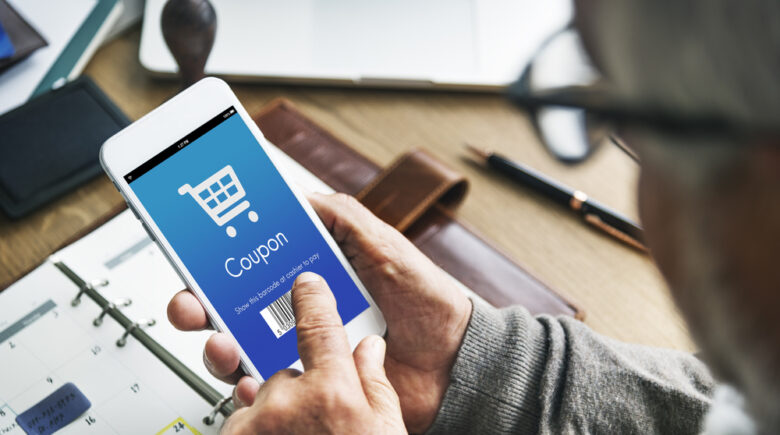
Manufacturers and brands team up with apps to create a program that allows customers to use digital rebates once they make a purchase and submit proof via a picture of their receipt. While most apps use this method, some may generate a code you can scan at the register. Popular platforms like Ibotta and Fetch Rewards have transformed the rebate experience by allowing users to earn cash back on everyday purchases at thousands of participating retailers. Make sure to understand the terms and conditions for the apps and pay attention to payment schedules, amounts for rebates, and any disqualifying conditions. Note that many rebates stipulate that you purchase a specific quantity of the product or purchase other products in addition to the product brand offering the rebate.
Most apps require you to use your bank details or a payment processing platform — such as PayPal or Venmo — to get your payments after your purchases are approved. Many also have penalties for not using the app frequently or leaving rebate amounts left for long periods in their account. According to NerdWallet’s review of top cash-back apps, users who engage with these platforms at least weekly tend to maximize their annual savings potential significantly compared to occasional users.
The shift toward app-based rebates has democratized savings in a powerful way. Consumers no longer need to plan ahead with paper coupons — they can simply shop, snap a photo of a receipt, and earn cash back automatically. The key is choosing two or three reliable apps and using them consistently rather than spreading attention across too many platforms at once,
says Marcus T. Holloway, MBA, Senior Consumer Savings Analyst at the National Retail Federation.
Digital Rebates
Many people receive a digital rebate or coupon directly from the brand or manufacturer to entice them to purchase or reward them for loyalty. If you sign up for a loyalty program, expect great offers periodically. If you like the brand and use it often, these offers can add up fast. Retailers such as Amazon, Walmart, and Target have all developed robust loyalty ecosystems that regularly deliver personalized discount codes and early-access offers to enrolled members, as highlighted in Forbes’ coverage of retail loyalty program strategies. If you’re new to accepting offers and rebates from brands, follow a few tips to ensure you get the most out of their program or coupon.
Sign up for any loyalty program and regularly check your promotional offers in your email. Pay special attention to the expiration of those offers. The company may include a QR code or a link to a landing page where you can follow specific steps to take advantage of the offer. Sometimes, you can contact the brand or company and request they send you special offers or coupons to your email to get even more savings. The Consumer Financial Protection Bureau (CFPB) encourages consumers to track promotional spending carefully to ensure that purchasing decisions driven by discounts still align with an overall monthly budget and financial goals.
Promotional Task Completion
Car dealerships and new businesses are known for their task-completion offers. They often send a promotional offer or “coupon” to a customer. The offer might be to come to a specified location on a particular day for an event. The company requests the customer to complete a task such as a test drive, turn a key to see if it opens a vehicle, or participate in a contest or promotional offer to get a reward. Although this coupon or offer takes longer, it can pay off significantly. Consumers should be aware that under FTC promotional guidelines, companies running prize-style promotions must clearly disclose the odds of winning and any purchase requirements — so always read the fine print before committing time or travel to these events.
Groupon and Coupon Websites
If you have yet to use Groupon, you’re in for a treat. People planning to make product purchases or travel can access great savings through these sites. You can get offers for adventures, food, travel, and clothing. You don’t need to make previous purchases or wait for an offer to come to you. Just scroll through the posted offers and select the ones you want to use. It’s fast to sign up and quickly redeem the offers on the website. The website has features allowing users to filter their locations or specific types of coupons they want to find. Some coupons require individual participation or may ask the customer to make more than one purchase to redeem an offer. Beyond Groupon, websites like RetailMeNot and Honey (owned by PayPal) automatically surface and apply coupon codes at checkout, according to PCMag’s roundup of the best coupon websites, making it easier than ever to save without dedicated research time.
Coupon Method Comparison
| Coupon Method | Average Savings Per Month | Time Required | Best For | Top Platforms / Sources |
|---|---|---|---|---|
| Clipping Print Coupons | $20–$45 | 30–60 minutes/week | Grocery and household staples | Sunday newspapers, store circulars |
| Coupon Apps (Receipt Rebates) | $25–$60 | 10–20 minutes/week | Everyday grocery purchases | Ibotta, Fetch Rewards |
| Digital Loyalty Program Offers | $15–$50 | 5–15 minutes/week | Brand-loyal repeat shoppers | Amazon, Walmart+, Target Circle |
| Coupon Websites | $30–$80 | 15–30 minutes/week | Online shopping, travel, dining | Groupon, RetailMeNot, Honey |
| Promotional Task Completion | $50–$200 (event-based) | 2–4 hours per event | Large one-time rewards | Auto dealerships, local businesses |
| Browser Extension Auto-Apply | $20–$55 | Under 5 minutes/week | Frequent online shoppers | Honey (PayPal), Capital One Shopping |
Summary
Start saving money and get great offers by taking advantage of coupons and offers from various manufacturers and businesses nationwide. Coupons are for everyone who wants to save money. A business or manufacturer coupon allows people to save money on purchases instead of paying full price. Anyone from any demographics stands to benefit by taking advantage of these offers. Try experimenting with apps, clip-able coupons, websites, and email offers to find which works best for your situation. You’ll be couponing like a pro and saving money in no time. For a broader approach to reducing monthly expenses, resources from financial institutions like Chase, Experian, and educational tools from the CFPB can complement a coupon strategy by helping you track your spending, monitor your credit profile, and build sustainable savings habits.
Frequently Asked Questions
How much money can you realistically save with coupons each month?
Most households save between $50 and $150 per month using a combination of print coupons, apps, and digital loyalty offers. The exact amount depends on how frequently you shop, which stores you use, and how consistently you apply available offers. Shoppers who use multiple methods simultaneously — such as stacking a store loyalty discount with a manufacturer’s rebate app — tend to see the highest monthly savings.
What is the best coupon app for saving money on groceries in 2026?
Ibotta and Fetch Rewards are consistently rated among the top grocery coupon apps as of April 26, 2026. Ibotta allows users to select offers before shopping and submit receipts for cash back, while Fetch Rewards automatically awards points for any grocery receipt. Both apps are free to download and connect to PayPal or direct bank transfer for payouts.
Can you stack coupons at most major retailers?
Stacking policies vary by retailer. Many major stores like Target allow customers to combine one manufacturer coupon with one store coupon on the same item, effectively doubling savings. However, most retailers do not allow two manufacturer coupons on a single product in one transaction. Always review the store’s official coupon policy before shopping to avoid issues at the register.
Are digital coupons better than paper coupons?
Digital coupons are generally more convenient and often offer higher value than traditional print coupons. They eliminate the need for cutting and organizing physical inserts, reduce the risk of forgetting coupons at home, and are automatically tracked through loyalty accounts. That said, some regional stores and smaller retailers still offer exclusive deals only through printed circulars, so using both methods together tends to maximize overall savings.
Do coupon apps sell your personal data?
Most coupon and rebate apps do collect purchase data and shopping behavior to personalize offers and share aggregated insights with brand partners. This is disclosed in their privacy policies, which users agree to upon sign-up. To limit data exposure, review each app’s privacy settings and opt out of non-essential data sharing where available. The FTC monitors data practices of consumer apps under its consumer protection authority.
How do loyalty programs save you money on everyday purchases?
Loyalty programs save money by tracking your purchase history and delivering personalized discounts, exclusive member pricing, and early access to sales. Programs like Target Circle, Kroger Plus, and Walmart+ offer automated price reductions at checkout without requiring customers to clip or apply anything manually. Members who shop regularly can accumulate significant point balances or tiered rewards that translate into meaningful dollar savings over time.
Is Groupon still a good way to save money in 2026?
Yes, Groupon remains a viable savings tool in 2026, particularly for dining, local experiences, and travel-related purchases. The platform continues to offer discounts averaging 30% to 50% off standard retail or service pricing across hundreds of categories. Users should verify merchant reviews and expiration terms before purchasing a Groupon deal, as some offers come with limited redemption windows or blackout dates.
Can coupons help improve your overall financial health?
Consistent coupon use can meaningfully improve monthly cash flow by reducing discretionary spending, which in turn creates more room in a household budget for savings, debt repayment, or emergency fund contributions. The CFPB recommends integrating discount strategies into a broader budgeting plan. When coupon savings are redirected toward high-interest debt — such as credit card balances — the long-term financial benefit compounds significantly.
What should you watch out for when using coupon apps?
Key risks include account inactivity penalties, which can cause accumulated rebate balances to expire or be forfeited, and minimum payout thresholds that delay access to earned funds. Some apps also require linking bank account details or platforms like PayPal to receive payments, so using a dedicated account rather than your primary checking account adds a layer of security. Always read the full terms and conditions before activating any rebate offer.
How do you find the best coupons without spending too much time searching?
The most time-efficient approach is to install a browser extension like Honey or Capital One Shopping, which automatically finds and applies coupon codes at checkout for online purchases. For in-store savings, loading digital coupons directly onto your store loyalty card before each shopping trip takes under five minutes and applies discounts automatically at checkout. Combining these two habits covers the majority of everyday savings opportunities with minimal weekly effort.
Sources
- Statista — Coupon Use in the United States
- eMarketer — U.S. Digital Coupon Users Data
- Ibotta — Press and Consumer Savings Statistics
- Consumer Reports — How to Save Money With Coupons
- NerdWallet — Best Cash-Back Apps and Coupon Apps
- Forbes Business Council — Retail Loyalty Program Strategies
- Consumer Financial Protection Bureau (CFPB) — Save and Invest Tools
- Federal Trade Commission (FTC) — Guides for Retail Advertising Practices
- SoFi — How to Save Money on Groceries
- PCMag — Best Coupon and Deal Websites
- Groupon — How Groupon Works for Consumers
- RetailMeNot — Couponing Tips and Best Practices
- Experian — How to Budget and Save Money Monthly
- Chase — How to Save Money on Everyday Purchases
- Federal Reserve — Economic Well-Being of U.S. Households Report


