Quick Answer
Using a credit card for car repairs can be wise, but only if you pay it off within the promotional period. A $1,500 repair at 15.04% APR could cost an extra $395 in interest over two years. However, 41% of cardholders struggle to cover more than $500 out-of-pocket, and many cite repairs as a top debt cause. Always check for hidden fees before swiping.
Updated August 2026
Nothing wrong with the card itself. The trouble starts the moment you can’t pay it off. Average APR sits at 15.04% right now, and dragging a $1,500 repair bill across two years tacks on almost $395 in interest. Meanwhile plenty of drivers don’t even have $500 sitting around for a surprise repair bill. Below, we walk through when plastic actually makes sense, how shop financing stacks up against a personal loan, and what to try before you ever hand over a card.
You’ll find real 2026 rates here, actual shop policies, and a walkthrough for using credit without wrecking your score or your budget.
Key Takeaways
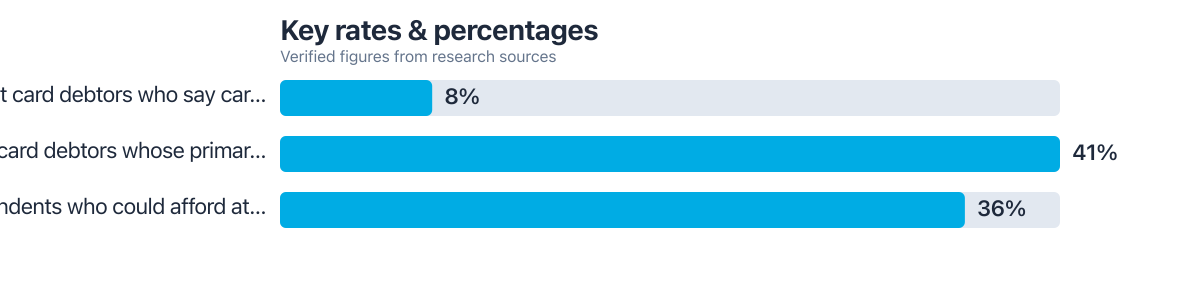
- Car repairs are the primary debt trigger for 8% of cardholders, according to Bankrate (2026) source.
- The average cost of vehicle repairs and maintenance is 11.04 cents per mile, as per AAA’s 2025 study via NerdWallet source.
- 41% of credit card users can afford at most $500 for an unexpected repair source.
- Shop credit cards like NAPA’s Synchrony offer 6–12 months of interest-free payments, but retroactive interest applies if you don’t pay in full source.
- Using a credit card for repairs can spike your utilization ratio, potentially hurting your score immediately source.
In This Guide
- When Should You Use a Credit Card for Repairs?
- How Much Does Carrying a Repair Balance Cost?
- Shop Credit Cards vs. Personal Loans: Which is Better?
- Do Surcharges or Cash Discounts Matter?
- How Does Financing a Repair Affect Your Credit Score?
- What Non-Debt Options Actually Work?
- How to Prevent Big Repair Costs Before They Happen
When Do Credit Cards Make Sense for Repairs?
A credit card earns its keep in one specific situation: you need the fix now, and you know for certain you’ll clear the balance before the promo rate expires. Think blown alternator on a Tuesday morning, kid needs to get to school, you need the car back same day.
There’s also the protection angle people forget about. The Consumer Financial Protection Bureau confirms your right to dispute charges for incomplete or poor work source. Georgia’s Attorney General’s Consumer Protection Division backs this up too: you can dispute charges on your credit card bill if there’s a problem source. Try disputing a cash payment. You can’t.
Recovery Timing and Rewards
Some cards throw off 1–5% cash back or points on auto repairs, and if you pay before interest kicks in, that’s just free money sitting there. Discipline is the whole game.
Run the numbers on a $1,200 repair with a 3% cash-back card: $36 back. Real, but only if the balance never carries past the grace period.
Under federal law, you have up to 60 days to dispute a credit card charge if work isn’t completed or is defective source.
How Much Does Carrying a Repair Balance Cost?
Drag a $1,500 repair balance at 15.04% APR across two years and you’re out almost $395 in interest, more than a quarter of what you originally borrowed.
Zoom out and the trend backs this up. The Federal Reserve reports revolving consumer credit at $1.34 trillion in May 2026, down 0.4% from April source. People are pulling back, likely because rates have gotten expensive enough to notice.
Interest Math: $500 to $3,000 Repairs
A $500 repair at 15.04% APR, paid down at $25 a month, takes 22 months and costs $107 in interest. Bump that to 20% APR and you’re looking at $156 over 24 months.
Go bigger: a $3,000 repair at 25% APR, paid at $100 a month, stretches to 43 months and racks up $1,470 in interest. That’s nearly half the original repair cost, gone.
Car repairs cost an average of 11.04 cents per mile, and 8% of credit card debt is tied to auto repairs source.
Shop Credit Cards vs. Personal Loans: Which is Better?
Shop cards, NAPA and Firestone both run through Synchrony, dangle 6–12 months interest-free. Fine, as long as you clear the full balance before that window closes. Miss it, and retroactive interest lands on you at rates as high as 25%, calculated back to day one.
A personal loan from somewhere like Upgrade or LendingClub often beats that math, especially if your credit is fair to good. 2026 personal loan APRs for $1,500 to $3,000 loans run from 12.1% to 18.4% source.
NAPA vs. Upgrade: A Comparison
NAPA’s Synchrony card: 0% for 12 months on purchases over $199. Miss the payoff deadline, though, and interest applies retroactively from day one, not from whenever you missed it.
Upgrade’s personal loan: 12.1% APR on a 36-month term for a $2,000 repair. Total payback: $2,480. That’s $480 in interest, spread out and predictable.
Compare that to a credit card balance at 15% APR carried for 24 months, $560 in interest. The loan wins here, plain and simple.
Do Credit Card Surcharges or Cash Discounts Matter?
They do, and a lot of shops have quietly added a 3% surcharge for card payments. That surcharge can eat your cash-back rewards whole and then some.
Independent shops, on the flip side, often knock 3–5% off for cash or check. On a $1,500 repair, that’s $45 to $75 back in your pocket, no interest, no strings.
Shop Acceptance Policies
Ask before you’re standing at the register. Some smaller shops skip the surcharge entirely, but you won’t know until you ask.
Worth flagging here that complaint data matters too. Texas DOI filings show TESLA Property & Casualty logged a complaint index of 36.25 for automobile policies in 2025, a sign of real friction around billing and service source. Same logic applies to shops: a pattern of complaints is a warning sign, not a coincidence.
Always ask: “Do you offer a cash discount?” If yes, pay in cash. The savings often exceed any rewards from using your card.
How Does Financing a Repair Affect Your Credit Score?
Opening a new card or pushing an existing one near its limit can spike your utilization ratio fast, and that alone can knock 10 to 30 points off your score.
Take a $2,500 repair charged to a card with a $5,000 limit. Utilization jumps from 20% to 50%, way past the 30% line where scoring models start punishing you.
Recovery Timeline
Pay it down and your score does climb back, but it’s not instant. Give it 3 to 6 months for a bigger drop to fully reverse. A hard inquiry from opening a new account adds its own small, temporary hit on top of that.
If you’re mid-mortgage-application or shopping for an auto loan, a sudden utilization spike can raise flags even after you’ve paid the balance down to zero.
What Non-Debt Options Actually Work?
Before you reach for plastic, a few things are worth trying first.
Start with an emergency fund, if you’ve got one. Financial planners generally recommend six months of expenses, yet only 32% of Americans actually keep one funded source. Got $1,000 sitting there? Use it. No interest, no new debt, no drama.
Ask about a payment plan too. Most shops will work with you if you just ask. A $1,200 repair often breaks down into $200 a month over six months, interest-free and invisible to your credit report.
Check your warranty and insurance coverage before anything else. Extended coverage or roadside assistance sometimes covers towing, labor, or parts outright, and it’s easy to forget you have it.
There’s a bigger-picture piece here too. If you’re already saving toward something major, a house, a wedding, treating repairs as a predictable line item rather than a fire to put out changes how you plan. Saving for Major Life Goals: A Step lays out a framework that works just as well here.
More than 41% of consumers can’t afford $500 out of pocket for an unexpected repair source.
How to Prevent Big Repair Costs Before They Happen
Prevention beats repair, every time, on cost alone. A 2026 study found 73% of major failures were avoidable with basic maintenance that never happened.
Build a sinking fund instead of scrambling later. Put $25 to $50 a month into a separate account earmarked just for repairs. After 24 months you’re sitting on $600 to $1,200, enough to absorb most minor repair bills without touching a card.
A sinking funds strategy reframes repairs as something you saw coming, not a crisis.
One caveat worth being honest about: sinking funds don’t help if the repair hits before the fund is built up. A transmission failure in month three of a new savings plan still leaves you short, and that’s exactly when a card or a shop payment plan becomes the fallback, not a failure.
There’s also a break-even point worth knowing. Once repair costs cross 50% of what the car is actually worth, selling or trading in usually makes more financial sense than fixing it again.
Car repairs aren’t the only place fast financial damage sneaks in. Identity theft and fraud can drain an account just as quickly, and most people don’t have a plan for that either. Protecting Your Finances from Scams, Fraud, and Identity Theft covers the red flags worth knowing.
And if a house or a sabbatical is somewhere on your horizon, the same discipline applies. How Much to Save for a Down Payment on a House: A Step breaks a big goal into smaller pieces using the same sinking-fund logic.
| Option | Interest Cost | Best For |
|---|---|---|
| Credit Card (0% promo) | 0% if paid in 12 months | Emergency fixes with discipline, no interest |
| Personal Loan (12.1–18.4%) | $480 at 12.1% on $2,000 | Non-emergency repairs, fair-good credit |
| Cash Discount (3–5%) | Save $45–$75 on $1,500 | Independent shops, cash users |
| Sinking Fund | $0 | Long-term prevention, budgeting |
Frequently Asked Questions
Is it better to pay for car repairs with a credit card or cash?
Cash usually wins if the shop knocks off 3–5% for paying that way. Card rewards rarely make up the difference once surcharges or interest enter the picture.
Can I dispute a repair charge if the work was poor?
Yes. Under the FTC and CFPB, you can dispute charges within 60 days if the repair wasn’t completed or was defective source.
How long does a repair-related credit card balance affect my score?
High utilization can weigh on your score for 3 to 6 months. Paying it off helps over time, but a new account inquiry or continued heavy usage slows the recovery down.
Are shop credit cards worth it for repairs?
Only if the balance gets paid off completely inside the 0% window. Carry it past that, and retroactive interest kicks in, sometimes as high as 25% APR.
What should I do if I can’t afford a $1,000 repair?
Try a payment plan, pull from a sinking fund if you have one, or just ask for a cash discount. Steer clear of credit cards unless you’re confident you’ll pay in full. If the repair costs more than half the car’s value, it might be time to sell instead.
Case Study: How One Driver Avoided Debt with a Cash Discount
Marisol, a 38-year-old teacher in Austin, Texas, faced a $1,450 transmission repair. Her mechanic quoted a 3% credit card surcharge. She declined the card and paid in cash, saving $43.50. The shop also waived a $25 diagnostic fee for cash payment. Marisol used the savings to boost her emergency fund, which now holds $820. She avoided interest, credit impact, and still made progress on long-term goals.
Action Plan: Use Credit Cards for Repairs Only When Sure
- Check for a cash discount. If available, pay in cash. Savings often exceed rewards.
- Verify if the shop accepts cards without surcharges. Some independent shops don’t.
- If using credit, pick a card with a 0% intro APR and pay it off in full before the promo ends.
- Never carry a balance. Interest at 15%+ can quickly erase any benefit.
- Monitor your credit utilization. Keep it below 30% to protect your score.
- Use a sinking fund for future repairs. Even $30/month builds a buffer.
- Review your financial plan. How to Save for a Wedding on a Tight Budget uses similar principles, small, consistent savings for big goals.