Updated July 2026
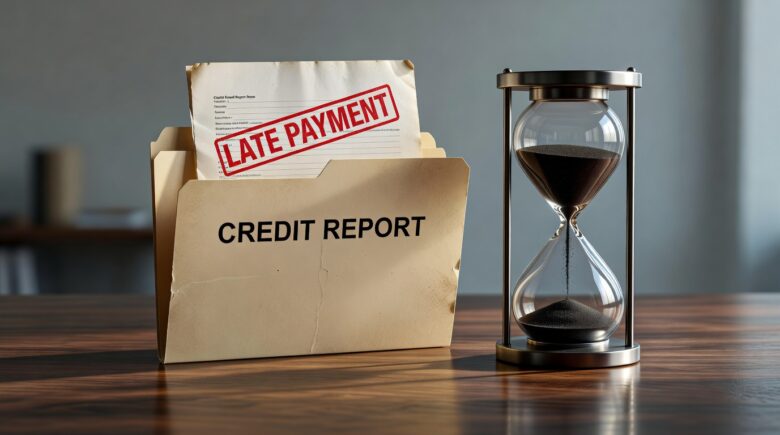
You set a reminder, you meant to pay it, but somehow that credit card bill slipped through the cracks for 35 days.
Now you’re wondering just how much damage that late payment on your credit report is actually going to do, and more importantly, how long it’s going to haunt you. It’s a situation millions of people face every year, and the anxiety that follows is completely understandable.
According to data from the Consumer Financial Protection Bureau (CFPB), late payments are one of the most common negative items appearing on American credit reports. By the end of this article, you’ll know exactly how long a late payment sticks around, how much it can hurt your score, and what steps you can take to soften the blow.
Key Takeaways
- A late payment can stay on your credit report for up to 7 years from the original delinquency date.
- Payment history accounts for 35% of your FICO Score, making it the single most influential factor.
- A single 30-day late payment can drop a good credit score by 60 to 110 points, depending on your starting score.
- The negative impact of a late payment fades over time, especially if you build a consistent record of on-time payments going forward.
How long does a late payment stay on your credit report?
The short answer: seven years.
Under the Fair Credit Reporting Act (FCRA), most negative information, including late payments, can remain on your credit report for up to seven years from the date of the original missed payment. That clock starts ticking from the date the payment was first late, not the date it was reported.
This timeline applies regardless of whether you later paid off the balance in full. Paying what you owe is absolutely the right move, but it doesn’t erase the late payment notation from your report, it simply updates the account status to show it was eventually paid.
When does the 7-year clock start?
The seven-year period begins on the original delinquency date, the first day you were 30 or more days past due.
If the account eventually went to collections, the clock still starts from that original missed payment date, not the date it was sold to a collector. This is an important protection under the FCRA that prevents creditors from resetting the clock.
How are late payments actually reported?
Lenders don’t report a payment as late the moment you miss a due date. Most creditors wait until a payment is at least 30 days past due before reporting it to the credit bureaus, Equifax, Experian, and TransUnion. This gives you a small window to catch a forgotten payment before any real damage is done.
Once reported, late payments are typically categorized in 30-day increments: 30, 60, 90, and 120+ days late. Each escalating level represents a more serious delinquency and carries a heavier negative impact on your credit score.
A 90-day late is significantly more damaging than a 30-day late.

How much does a late payment hurt your credit score?
The damage depends on two things: how late the payment was and what your credit score looked like before it happened. According to FICO, someone with a higher starting score actually loses more points from a single late payment than someone with an already-damaged score. A person with a 780 score could lose 90 to 110 points from one 30-day late payment, while someone at 680 might lose 60 to 80 points.
Since payment history makes up 35% of your FICO Score, it carries more weight than your credit utilization, length of history, or any other factor.
This is exactly why understanding what qualifies as a good credit score matters, the higher you climb, the more you have to protect.
Does the impact fade over time?
Yes, and this is actually good news. While the late payment notation technically stays on your report for seven years, its impact on your score diminishes significantly as time passes. A 30-day late payment from five years ago carries far less weight than one from six months ago, especially if you’ve been consistently on-time since then.
Avoid piling on additional negative marks.
One old late payment surrounded by years of on-time payments tells a very different story than a pattern of delinquencies. Lenders look at the full picture, and so do scoring models.
Can you get a late payment removed early?
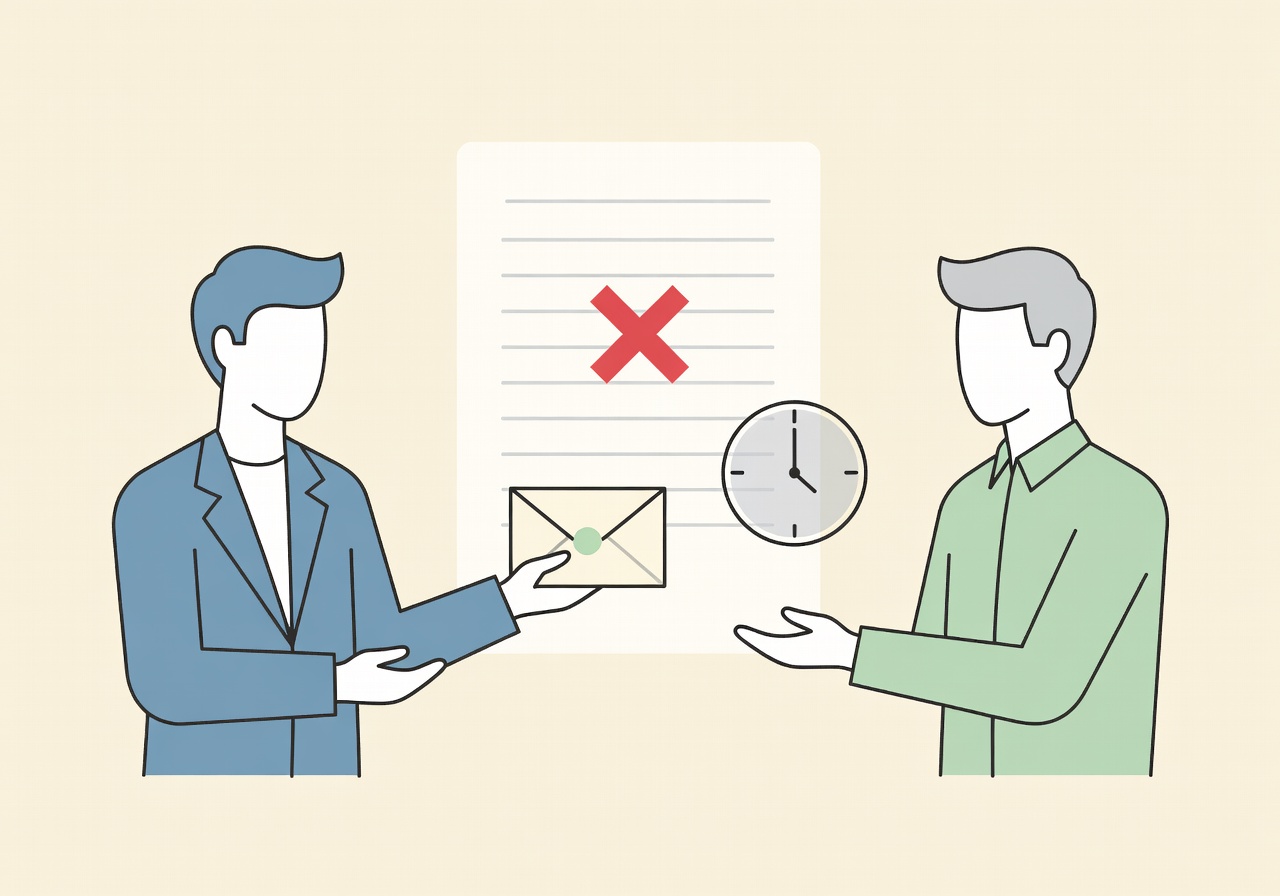
There are two legitimate routes worth trying. The first is a goodwill letter, a written request to your creditor asking them to remove the late payment as a gesture of goodwill, especially if you have a solid history with them and this was a one-time mistake. Some creditors will honor these requests, though they’re not required to. This approach has worked for users of Chase and SoFi, particularly when paired with a strong payment history.
The second route is disputing the entry if it’s inaccurate. If a payment was reported as late when it was actually on time, you have the right to dispute it. Learning how to dispute a credit report error is a skill worth having, and it’s a process that’s free and fully protected under federal law. Keep in mind that disputing accurate information rarely results in removal.
How do you recover after a late payment?
The most powerful thing you can do after a late payment is simple: don’t miss another one. Consistent on-time payments over the months and years following a delinquency are the most effective way to rebuild your score. Scoring models are designed to reward recent positive behavior.
Beyond that, keeping your credit utilization low (ideally under 30%) and avoiding new negative marks will help your score recover faster.
If you’re working to accelerate your recovery, a structured approach helps. For example, consider how missed payments on buy-now-pay-later (BNPL) services affect your finances., 47% of BNPL users reported paying late on a BNPL loan in the past year, according to a survey by LendingTree. If your BNPL payment was $50 monthly and you were late by 30 days, you might face a $10 late fee. Over a year, that adds up to $120 in fees, $10 per month for 12 months, on top of the original $600 in payments. That’s real money lost due to a single lapse in timing.
Setting up autopay as a long-term fix
Autopay is one of the simplest and most effective guardrails you can put in place.
Setting your accounts to auto-pay at least the minimum due each month removes the risk of a forgotten bill ever turning into a credit report problem. You can always pay more manually, but autopay ensures you’re never accidentally 30 days late again. Many users of Experian and TransUnion have reported improved credit outcomes after enabling this feature.
Why this matters for major purchases
A late payment on your credit report isn’t just a number, it can have real-world consequences when you need credit most.
If you’re planning to finance a car purchase, lenders will pull your credit and a recent late payment could result in a higher interest rate or even a denial. The same applies to mortgage applications, apartment rentals, and even some job screenings.
The stakes get higher when larger loan amounts are involved. Even a quarter-point difference in an interest rate on a $30,000 auto loan can cost you hundreds of dollars over the life of the loan. Protecting your credit score is, in a very direct sense, protecting your wallet. For context on how your score affects auto financing, see the best auto loan rates available in 2026 and how lenders tier their rates by credit tier.
What about broader credit trends?
National data reveals that 4.8% of outstanding household debt was in some stage of delinquency as of Q1 2026, according to the Federal Reserve Bank of New York. This includes accounts 30 to 89 days late, as well as those in default.
This trend underscores that late payments are widespread, even among users of newer credit products. For example, 47% of BNPL users reported paying late on a BNPL loan in the past year, according to a March 2026 survey from LendingTree. This highlights that even alternative credit products like PayPal Pay in 4 and Afterpay can trigger negative reporting if payments are missed.
One thing to remember: scoring models don’t all weigh late payments identically. While FICO heavily penalizes recent lates, VantageScore 4.0 also factors in the severity and recency. So your score might look different depending on which model a lender pulls. A late payment that seems minor under one model could still sting under another.
Related reading: How to Use a Business Line of Credit Without Sacrificing Personal Credit.
Frequently Asked Questions
How long does a late payment stay on my credit report?
A late payment remains on your credit report for up to seven years from the original delinquency date, per the Fair Credit Reporting Act (FCRA).
Does a 30-day late payment hurt more than a 60-day one?
Yes, each stage worsens the impact. A 30-day late payment typically causes a 60–110 point drop for high scorers; a 60-day late causes a larger drop, often between 70–120 points, and is viewed as a more serious delinquency by FICO and lenders.
Can I dispute a late payment if I paid it on time?
If the payment was actually on time but reported as late, you can dispute it with the credit bureau. The FCRA gives you the right to challenge inaccurate information, and disputes can result in removal if verified.
Will a goodwill letter always work?
No. Creditors like JPMorgan Chase and Wells Fargo may consider goodwill letters, especially for customers with a solid history, but they are not required to remove the mark.
Can a creditor re-age a late payment?
No. Re-aging, resetting the delinquency date, is illegal under the FCRA. If you see a late payment with a seemingly inaccurate date, you can dispute it with the bureau or file a complaint with the Consumer Financial Protection Bureau (CFPB).
Does paying off a late account help my score?
Yes, paying off the balance improves your account status and prevents further damage. However, the late payment notation remains for seven years. The key is to maintain on-time payments moving forward.
Can I check if a late payment is about to drop off?
Yes. Review the original delinquency date listed on your credit report via AnnualCreditReport.com. The item is automatically removed seven years from that date. If it hasn’t dropped by then, contact the credit bureau directly.
How does a late payment affect my APR?
A late payment can trigger higher interest rates on new credit, even if you’re approved. Lenders use your credit history, including FICO Score, to set APRs. A single late payment can push you into a higher APR tier, increasing long-term borrowing costs.
Do all three credit bureaus report late payments?
Not always. Most major lenders report to all three, Experian, Equifax, and TransUnion, but some smaller or newer lenders may report only to one or two. Check all three reports to ensure accuracy.
How does BNPL usage affect my credit score?
Many BNPL providers now report to credit bureaus. If you miss a payment on a platform like Zip or Klarna, it can appear as a late payment., 47% of BNPL users reported a late payment in the past year, according to LendingTree.
Sources
- Federal Trade Commission, Fair Credit Reporting Act
- Consumer Financial Protection Bureau, Consumer Credit Trends
- AnnualCreditReport.com, Free Official Credit Report Access
- Consumer Financial Protection Bureau, What Is a Goodwill Letter?
- Federal Reserve Bank of New York, Consumer Credit Trends Q1 2026
- LendingTree, Buy Now Pay Later Loan Statistics (March 2026)


