
Updated July 2026
Key Takeaways
- 65% of Americans set a 2025 savings goal, but only 48% are on track (NerdWallet, 2025). Even the ones ahead of schedule aren’t in the clear: 78% still report obstacles, and inflation, now sitting at 3.5% (BLS, 2026-06), keeps chipping away at what those savings can actually buy.
- Checking in on milestones regularly keeps momentum alive. The Consumer Financial Protection Bureau flags progress tracking as central to sticking with a plan long-term (Consumer Financial Protection Bureau).
- Running ahead on one goal doesn’t mean the risk disappears elsewhere. 55% of adults still can’t cover three months of expenses from savings, ahead-of-schedule or not (Federal Reserve, 2025).
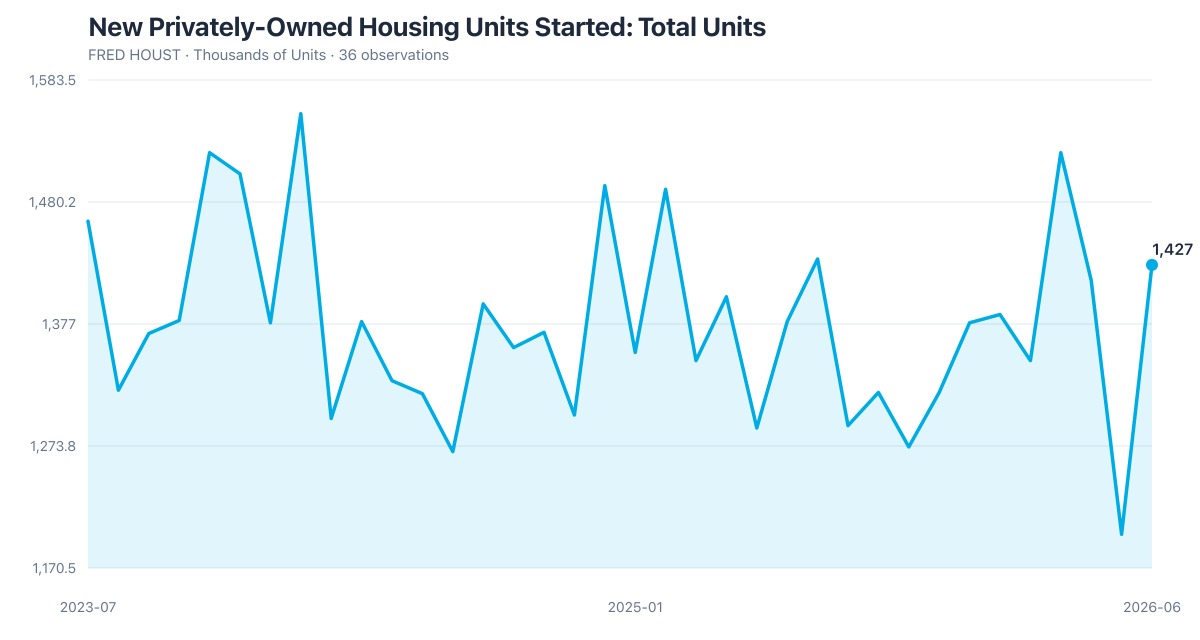
- Whether you’re ahead or behind, a timely review lets you adjust for what’s actually happening. Inflation moves, and housing has started shifting too, new home starts jumped 19% from May to June (FRED). Flexibility matters more than a static plan.
It’s July 2026. You’ve hit your emergency fund target. Your down payment goal is 18 months ahead of pace. Vacation savings, on track too.
Job done? Hardly.
Even when you’re ahead, skipping milestone check-ins quietly erodes the progress you’ve made. A recent survey found that 65% of people set a goal, yet only 48% are actually meeting it (NerdWallet, 2025). Inflation doesn’t care how far ahead you think you are.
Caveat: The Pitfall of ‘Mission Accomplished’
Getting ahead breeds a specific kind of complacency. Don’t rest on it. Inflation keeps moving, housing shifts under you, and the financial currents that got you ahead can just as easily pull you back. Regular check-ins are what keep a strategy honest.
Source: BLS and FRED (-08-06)
Series & as-of dates
Primary series: All items in U.S. city average, all urban consumers, not seasonally adjusted (CUSR0000SA0, BLS). Observations: monthly, latest. The chart displays official public data maintained by the Bureau of Labor Statistics.
What Changed
From May to June 2026, year-over-year inflation held at 3.5%, though the monthly index actually dipped 0.4%. Unemployment fell to 4.20%. That’s a sign the labor market is holding steady, not slipping (FRED, UNRATE). Markets wobbled a bit (SPY down 0.05%, QQQ down 0.18%), but the underlying economic footing looks firm.
Why does any of this matter for your savings plan? Because 3.5% inflation eats into purchasing power every month, quietly. If your milestones are set in today’s dollars without accounting for that drag, you’re already behind, even if the account balance says otherwise.
| Period | Value | Change |
|---|
Key Takeaway: A steady 3.5% inflation rate means your savings must outpace it to maintain real value. Being ahead doesn’t insulate you from this reality.
Related Context
Consumer sentiment has held fairly steady through 2026 despite the inflation backdrop (CFPB). Automatic tracking tools help here, they keep motivation up even for people who are technically ahead of schedule.
Housing is sending its own signal. New starts climbed 19% between May and June 2026 (FRED). For anyone saving toward a home, that’s worth a second look. Being ahead on a down payment fund doesn’t mean the target itself hasn’t moved.
Key Takeaway: Inflation and housing market shifts demand regular goal milestone reviews. Being ahead doesn’t mean the underlying environment isn’t shifting.
What This Means for You
Here’s what being ahead should actually change about your next move.
Hit your emergency fund target? Good, now don’t just let the surplus sit idle. Build a second layer, a higher-risk buffer on top of the base fund (CFPB). Progress is not a reason to stop paying attention.
Running 18 months ahead on a down payment goal? Don’t pause the contributions just because the math looks good. Split it: roughly half your monthly savings into a higher-yield account, the other half toward a fresh goal, vacation fund, college savings, whatever’s next in line. That split keeps lifestyle creep from eating the surplus and keeps the habit intact.
Ahead on retirement benchmarks too? Don’t assume that’s permanent. Review the plan once a year at minimum, adjusting for inflation, for life changes, for whatever the market’s doing (U.S. Bank). Staying ahead takes the same discipline as getting there.
Key Takeaway: Being ahead isn’t a finish line. It’s an opportunity to fortify, diversify, and plan for what’s next.


