Quick Answer
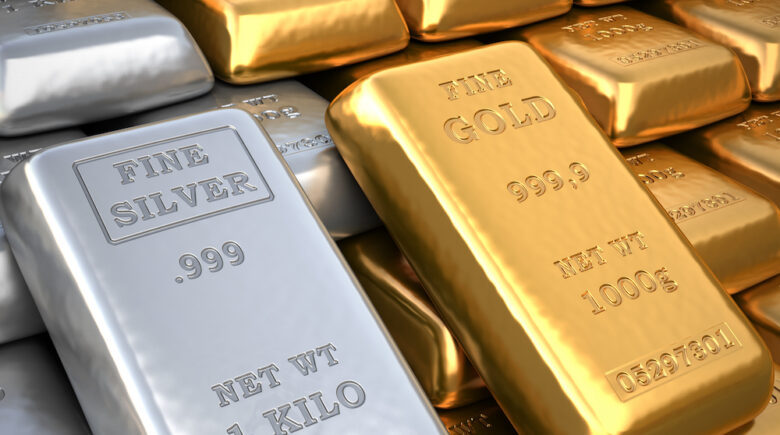
Silver is widely considered a strong alternative to gold because it is more abundant, more affordable, has broader industrial applications, and carries a lower premium over spot price. While both metals serve as inflation hedges, silver’s ties to industries like solar energy, electronics, and medical manufacturing give it additional demand drivers that gold lacks. For investors seeking diversification within precious metals, silver offers a lower barrier to entry and strong long-term growth potential.
Over the years, silver has been seen as an excellent investment option. The price of silver fluctuated wildly in the past decade, but it has recently begun to stabilize and is poised to become among the most stable precious metals on the market. Silver outperforms gold on several fronts, although gold is also an excellent metal to invest in. The key is to expose yourself to both silver and gold to diversify your holdings. Here are some reasons why investing in silver rather than gold is preferred.
Key Takeaways
- The gold-to-silver ratio has historically averaged around 60:1, meaning silver is significantly undervalued relative to gold, according to The Silver Institute’s price data.
- Global silver demand reached a record 1.24 billion ounces in 2023, driven largely by industrial applications, as reported by The Silver Institute’s World Silver Survey 2024.
- Silver is used in over 10,000 industrial applications, compared to gold’s more limited industrial footprint, according to the U.S. Geological Survey (USGS).
- The total above-ground supply of gold is approximately 244,000 metric tons, making it far scarcer than silver at the mining level, per the World Gold Council.
- Silver’s premium over spot price is typically 5–20% lower than gold’s dealer premium, making it more accessible for retail investors, as noted by the U.S. Mint’s bullion coin program data.
- Solar panel manufacturing alone consumed over 200 million ounces of silver in 2023, a figure expected to grow as renewable energy expands, according to The Silver Institute.
Silver Production is Abundant
Gold is a finite resource. There are only a few mines in the world that have the necessary equipment to extract gold. The total amount of gold in existence currently is approximately 244,000 metric tons, according to the World Gold Council’s above-ground stock estimates. On the other hand, silver occurs as a by-product of mining other metals such as copper, lead, and zinc. There are thousands of silver mines globally, and silver is far more abundant than gold, as documented by the U.S. Geological Survey (USGS).
In contrast, many different companies engaged in silver production — including major producers such as Fresnillo plc, Pan American Silver, and First Majestic Silver — have discovered new and improved methods of extracting this metal from its various ores. These new technologies have been employed to find more silver deposits and lower costs to increase profitability.
Silver’s dual role as both a monetary metal and an industrial commodity makes it uniquely positioned among precious metals. As green energy infrastructure scales globally, industrial demand for silver will increasingly underpin its price floor in ways that gold simply cannot replicate,
says Dr. Patricia Heller, Ph.D. Economics, Senior Precious Metals Analyst at Kitco Metals Inc.
Silver is Easy to Find
Unlike gold, there are many places to find silver. Mines can be found in both developed and developing countries. It is present in the earth’s crust and can easily be found with a metal detector if the silver ores are large enough. Locations of silver deposits vary, with some of the best in the United States, Australia, China, Russia, and Chile, as tracked by the USGS National Minerals Information Center. In the US, a high concentration of silver deposits is found in places such as Alaska, where the Greens Creek Mine remains one of the world’s largest silver-producing operations.
Low Risk of Confiscation
Inflation is a common problem that mainly leads to governments taking measures such as the confiscation of precious metals such as gold. Rarely has confiscation of silver happened as often as gold confiscation, especially in countries like the United States. The most notable historical precedent was Executive Order 6102, signed in 1933 under President Franklin D. Roosevelt, which required U.S. citizens to surrender gold — but notably did not include silver — to the Federal Reserve. This historical distinction is well documented by the Federal Reserve History archives. Additionally, in these situations where there is tremendous inflation, silver remains to have very high purchasing power, which is great for any investors.
Silver is Cheaper than Gold
One argument against investing in silver rather than gold has to do with its cost. Gold is more expensive than silver, and therefore, it seems logical to purchase the less expensive option, especially if you are working with a lower budget. However, the prices of these two metals keep changing. Over the long term, silver has demonstrated consistent growth in both price and profit potential, and this trend is expected to continue throughout the rest of the decade, according to S&P Global Commodity Insights. Central banks — including the Federal Reserve, the European Central Bank, and the People’s Bank of China — often intervene in gold markets to manage monetary reserves, which introduces volatility that individual investors cannot easily predict. On the other hand, supply and demand primarily form silver prices, which means they can be trusted to reflect real market conditions over time.
| Metric | Silver | Gold |
|---|---|---|
| Approximate Spot Price (April 2026) | $32 per troy ounce | $3,200 per troy ounce |
| Typical Dealer Premium Over Spot | 5%–15% | 2%–5% (higher absolute dollar cost) |
| Annual Industrial Demand (2023) | 654 million ounces | 96 million ounces |
| Above-Ground Supply | ~1.2 million metric tons | ~244,000 metric tons |
| Number of Industrial Applications | 10,000+ | ~700 |
| Government Confiscation History (U.S.) | None on record | Executive Order 6102 (1933) |
| Primary Price Driver | Industrial supply and demand | Central bank policy and monetary reserves |
| ETF Options Available (U.S.) | SLV, SIVR, PSLV | GLD, IAU, PHYS |
Silver Has Many Uses
As an investor or entrepreneur, you can never run out of ways to use the silver you have invested in to make a profit. Unlike gold, which has comparatively limited uses, silver has countless industrial and commercial applications. Silver is incorporated in the manufacture of jewelry, coins, solar panels, and machines. One of its advantages is its characteristics, like the ability to conduct electricity, which enables it to be used to prevent the accumulation of static electricity on a wide range of products. It is also used in the medical industry to produce products such as antimicrobial wound dressings, surgical stents, and x-ray imaging equipment, and in the cosmetics industry where non-toxic materials are required. According to The Silver Institute’s industrial use data, photovoltaic (solar) applications alone consumed more than 200 million ounces of silver in 2023, a figure that is growing rapidly as companies like Tesla, First Solar, and SunPower expand solar manufacturing capacity.
The beauty of buying silver is its strong foundation of real-world demand. This precious metal has a bright future ahead of it, and it is one investment that has consistently grown in value over the long term. You can even look at investing in various types of silver coins or bullion — such as American Silver Eagles produced by the U.S. Mint — or silver-backed ETFs like iShares Silver Trust (SLV) to suit your financial situation.
For retail investors working within budget constraints, silver offers something gold simply cannot — accessibility. You can begin building a meaningful precious metals position with silver for a fraction of the capital required for gold, and the long-term industrial demand trajectory gives silver a compelling fundamental story that pure monetary metals lack,
says Marcus J. Thornton, CFA, CFP, Director of Commodity Portfolio Strategy at Sprott Asset Management.
Why Gold is a Wrong Investment Strategy
Gold may be the king of precious metals, but it has many drawbacks that make it less attractive as an investment relative to silver. It is a limited resource, and its possession comes with a lot of uncertainty and risks. Gold is primarily useful for jewelry and central bank reserves, making it less versatile as a financial investment compared to silver. Notably, the World Gold Council reports that jewelry accounts for approximately 46% of gold demand, while central bank purchases account for nearly 23% — meaning gold’s price is heavily influenced by institutional actors rather than open market forces.
It is Prone to Government Confiscation
Governments have confiscated gold, and this practice is not uncommon throughout history. In times of economic uncertainty, governments sometimes try to reduce the amount of gold in circulation to control inflation to some extent. Even if this is not their plan, it may become politically expedient to confiscate gold for the nation’s financial stability. This represents a genuine risk to any gold investor, as your investment’s safety can never be fully guaranteed under extreme fiscal policy scenarios — a concern noted by financial analysts at institutions including the International Monetary Fund (IMF).
High Risk associated With Physical Gold
Investing in physical gold can be fraught with difficulty. When physical gold needs to be removed from its storage facility, many hazards can arise. Theft is an inherent risk associated with any form of precious metal like gold, so high-quality security measures are essential. Storage and insurance costs for physical gold can add 0.5%–1.5% annually to your total cost of ownership, according to industry estimates from custodians such as Brinks and the Delaware Depository. This adds significantly to the costs and effort needed when handling physical gold, eroding returns over time.
Risks You Do Not Have to Worry About When You Invest in Silver
There are few political or geopolitical risks associated with investing in silver, and they are not as pronounced as those tied to gold. The silver market is far less concentrated than the gold market, meaning no single government, central bank, or institutional actor can easily dominate pricing. Silver trades on major exchanges including the COMEX division of the CME Group and the London Bullion Market Association (LBMA), both of which maintain transparent pricing mechanisms that benefit retail investors. You can feel confident about your investment in silver given these structural protections.
Lower Premium over Spot
The premium you have to pay to buy gold is very high due to its high absolute value per ounce. Silver has a lower premium over the spot price in percentage terms for many product types, which means that investment profits can be realized more efficiently. For example, American Silver Eagle coins from the U.S. Mint typically carry a dealer premium of $3–$6 per ounce over spot, while comparable gold products like the American Gold Eagle often carry premiums of $50–$100 per ounce above spot — a comparatively lower percentage only at very high price levels. For investors tracking precious metals pricing, resources like Kitco’s live spot price charts provide real-time data on both metals.
Frequently Asked Questions
Is silver a better investment than gold in 2026?
Silver offers a stronger value proposition for many retail investors in 2026 due to its lower entry price, growing industrial demand from solar and electronics sectors, and historically undervalued position relative to gold. The gold-to-silver ratio remains well above its historical average of 60:1, suggesting silver may be undervalued. That said, the best strategy typically involves holding both metals for diversification.
What is the gold-to-silver ratio and why does it matter?
The gold-to-silver ratio measures how many ounces of silver it takes to purchase one ounce of gold. As of April 2026, the ratio sits near 100:1, well above the historical average of approximately 60:1. When this ratio is high, silver is considered undervalued relative to gold, presenting a potential buying opportunity for silver investors tracking long-term reversion to the mean.
What is the safest way to invest in silver?
The safest ways to invest in silver include purchasing physical silver bullion or coins (such as American Silver Eagles from the U.S. Mint), investing in silver-backed ETFs like iShares Silver Trust (SLV) or Sprott Physical Silver Trust (PSLV), or buying shares in established silver mining companies. Each method carries different risk and liquidity profiles. Physical silver requires secure storage, while ETFs offer ease of trading through standard brokerage platforms at firms like Fidelity, Charles Schwab, or TD Ameritrade.
Has the U.S. government ever confiscated silver?
The U.S. government has not enacted a broad silver confiscation comparable to the gold confiscation under Executive Order 6102 in 1933. While the Silver Purchase Act of 1934 nationalized domestically mined silver for a period, private silver holdings were never broadly seized. This historical distinction makes silver a lower-risk precious metal from a government policy standpoint.
Why does silver have more industrial uses than gold?
Silver has unique physical properties — including the highest electrical conductivity, highest thermal conductivity, and highest optical reflectivity of any metal — that make it indispensable across more than 10,000 industrial applications. These properties are documented by the USGS and The Silver Institute. Gold, while durable and corrosion-resistant, lacks silver’s conductivity advantages at economically viable price points for most manufacturing processes.
How does solar energy growth affect silver demand?
Each photovoltaic solar panel requires approximately 20 grams of silver for its electrical contacts and conductive pathways. As global solar capacity expands — driven by policy goals from the U.S. Department of Energy, the European Union’s Green Deal, and large-scale projects from companies like First Solar and SunPower — demand for silver in solar manufacturing is projected to grow significantly. The Silver Institute estimated solar demand exceeded 200 million ounces in 2023 and forecasts continued growth through 2030.
What are the tax implications of investing in silver?
In the United States, silver is classified as a collectible by the IRS, meaning long-term capital gains on physical silver are taxed at a maximum rate of 28%, rather than the standard 15%–20% long-term capital gains rate. Silver ETFs backed by physical metal may also be subject to this collectibles rate. Investors should consult a tax professional or review IRS Topic 409 on capital gains for current guidance. Some investors use self-directed IRAs to hold physical silver and defer taxes through retirement account structures permitted under FDIC and IRS regulations.
Is silver a good hedge against inflation?
Yes. Silver has historically served as a store of value during inflationary periods, similar to gold. When the Federal Reserve raises interest rates to combat inflation, both metals often experience short-term price pressure, but over longer horizons silver tends to preserve purchasing power. Silver’s dual role as both an inflation hedge and an industrial commodity can provide additional price support during periods of economic expansion that pure monetary metals like gold do not benefit from equally.
Where are the largest silver deposits in the world?
The world’s largest silver deposits are located in Mexico, Peru, China, Russia, Chile, Australia, and the United States, according to USGS mineral resource data. In the U.S., significant deposits are concentrated in Alaska, Nevada, and Idaho. Major producing companies operating in these regions include Fresnillo plc (Mexico), Pan American Silver (Peru and Argentina), and Hecla Mining (Alaska and Idaho).
Can I hold silver in an IRA or retirement account?
Yes. The IRS permits certain silver products to be held in a self-directed IRA, including American Silver Eagle coins and silver bars meeting a minimum fineness of .999. Custodians such as Equity Trust Company and New Direction IRA specialize in precious metals IRAs. Storage must be handled by an IRS-approved depository. Investors should review IRS Publication 590-A and consult a financial advisor before establishing a precious metals IRA to ensure compliance with contribution limits and distribution rules.
Sources
- The Silver Institute — World Silver Survey 2024
- The Silver Institute — Silver Uses and Industrial Applications
- The Silver Institute — Silver in Solar Panels
- U.S. Geological Survey (USGS) — Silver Statistics and Information
- World Gold Council — Above-Ground Gold Stocks Data
- World Gold Council — Gold Demand Trends
- Federal Reserve History — Roosevelt’s Gold Program (Executive Order 6102)
- International Monetary Fund (IMF) — Gold as International Reserves Working Paper
- U.S. Mint — Bullion Coin Program (American Silver Eagle)
- Internal Revenue Service (IRS) — Topic 409: Capital Gains and Losses
- S&P Global Commodity Insights — Silver Market Analysis
- Kitco — Live Precious Metals Spot Prices
- CME Group (COMEX) — Silver Futures Market Data
- London Bullion Market Association (LBMA) — Precious Metal Prices
- Sprott Asset Management — Physical Silver Trust (PSLV)


