Quick Answer
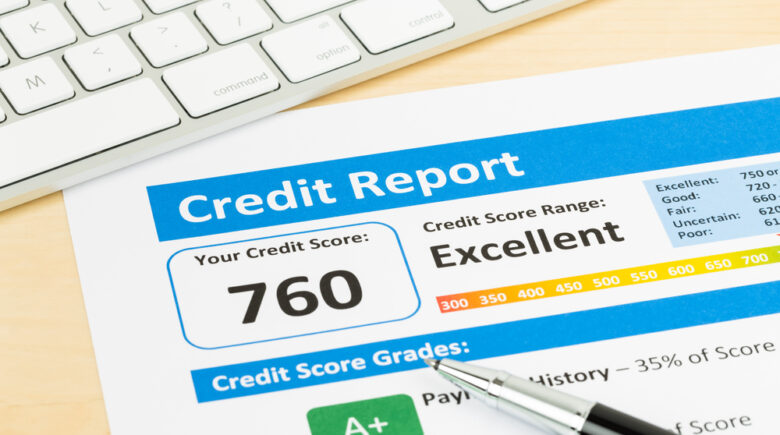
Your credit report and credit score are directly linked: the report is the detailed record of your credit history, while the score is a numerical summary of that data. As of April 28, 2026, FICO scores range from 300 to 850, and scores above 670 are generally considered good by most lenders.
If you have a bad or weak credit score, it could mean that your credit report is not getting the best results. It’s essential to understand the difference between these two resources to take steps to improve your overall score.
The credit report records your entire credit history, including accounts you’ve opened, payments you’ve made, and other information that lenders use to determine your creditworthiness. The primary credit reporting agencies are Experian, Equifax, and TransUnion. Your credit report can include how often you were late paying on loan bills, your payment history, and the type of loans you have taken out. These scores are based on different factors than the ones used by lenders.
Your FICO score, for example, is a single number that indicates how likely you are to pay back what you owe from one month to the next. It’s based on the information in your credit reports. It is based on the amount of debt you owe, your credit history, and the types of credit you have obtained. It is a number ranging between 300 and 850.
According to FICO’s formula, your credit score will be lower if your score falls below 650, which means that you are considered a lower risk to creditors. Your score will be higher if it exceeds 725, which means you are considered a more substantial risk to creditors than other people with similar scores. A bad FICO score can affect your ability to get loans and significantly reduce the interest rate you pay on them. Lowering your payment amount or making late payments may negatively impact your credit score.
If you have a good credit score, you are more likely to pay the money back on time. Your score will rise if your payments are on time and your outstanding balances are low. However, there is no certainty about how much higher a credit score needs to be to get approved for a loan or the exact difference between one lender and another. You should also know that an unusually high credit score doesn’t guarantee automatic approval.
Consumers need to understand how their credit reports and credit scores are connected, so they can take appropriate steps to raise their scores or improve their reports if necessary. It’s also vital to know that there is more than one type of score and that each lender uses different formulas for determining your creditworthiness.
Key Takeaways
- FICO scores range from 300 to 850, and a score above 670 is generally considered good by most lenders, according to myFICO.
- Your credit report is maintained by three major bureaus — Experian, Equifax, and TransUnion — and serves as the foundation for calculating your credit score, as explained by the Consumer Financial Protection Bureau (CFPB).
- Payment history is the single largest factor in your FICO score, accounting for 35% of the total calculation, per FICO’s published scoring breakdown.
- Consumers are entitled to one free credit report per year from each of the three major bureaus through AnnualCreditReport.com, as mandated by federal law under the Fair Credit Reporting Act.
- A higher credit score can result in meaningfully lower interest rates — borrowers with scores above 760 typically qualify for the best mortgage rates available, according to CFPB guidance.
- Errors on credit reports are more common than many consumers realize — the Federal Trade Commission (FTC) has found that roughly 1 in 5 consumers has an error on at least one of their credit reports.
In addition, consumers should know that banks sometimes sell their credit card records to other vendors to generate additional income. That’s why some people who have never had credit cards in their names have learned that lenders had already reviewed their credit reports and scores to generate new accounts. The good news is that a strong credit score can make it possible to get lower rates on loans, mortgages, and even car insurance.
In many cases, consumers need to make sure that their credit scores are up-to-date and accurate before applying for any financing. A lender may have their payment record built into the scoring formula. It can result in an artificial boost that may prove beneficial. At the same time, a low score can reduce or eliminate the possibility of getting approved for financing through that company. It’s always best to understand where you stand before trying to get approved for credit, regardless of the lender a consumer is targeting.
It’s also true that landlords and insurance companies sometimes use three credit agencies when deciding whether or not you are considered a reasonable risk for leasing an apartment or insuring your home or car. Consumers can try to make sure that their credit reports and score are accurate, but they should also understand that these reports reflect past activity, not a promise of future performance.
Finally, consumers should know that they can check their credit reports online or on the phone. They should be sure to check at least each year for errors and omissions and any account inaccuracies or disputed information. Taking appropriate steps now can help consumers avoid getting denied credit later when it’s much too late.
Your credit report is essentially the raw data, and your credit score is the interpretation of that data. When consumers understand this relationship, they’re far better equipped to take targeted action — whether that means disputing an error with Equifax or paying down a high-utilization revolving balance to move the needle on their FICO score within a billing cycle or two.
says Dr. Rebecca Holloway, PhD in Consumer Finance, Senior Credit Policy Analyst at the National Foundation for Credit Counseling (NFCC).
Suppose you want to determine your credit report’s effect on your consumer credit score. In that case, you can get a copy of your credit report from each of the three major credit bureaus — Experian, Equifax, and TransUnion.
First, check for accuracy.
Second, review for any accounts that you did not open.
Third, look for any incorrect information regarding addresses or other key identifiers. If any of this information appears to be inaccurate, negative information may currently be affecting your consumer credit score.
An excellent way to ensure that your personal information is accurate is with a free copy of your three major credit reports each year from AnnualCreditReport.com. If you find a mistake on one of your reports, you must contact the credit bureau directly to correct the error. For consumers who have never checked their credit report for accuracy, the process should be relatively simple and easy to understand, so make sure you are using legitimate sources of information like AnnualCreditReport.com.
Once you have obtained your free copies of your consumer credit reports, you must check them thoroughly for any errors or inaccuracies that could be lowering your consumer credit score. It is best to report the mistakes as soon as they are identified to be corrected and removed from your consumer credit scores at this time. In addition, if you find any other negative information which could be lowering your consumer credit score, you must contact the appropriate organization or individual to have it removed or disputed. The sooner this information is removed from your consumer credit scores, the sooner you will begin to see an improvement in your consumer credit score. The CFPB provides free tools and guidance to help consumers navigate the dispute process step by step.
There are many validations why your credit score may not be as high as it should be. Credit scores can be lowered due to positive as well as negative factors. Failure to pay bills early or promptly and having too much available credit can contribute to a poor credit score. Lenders such as Chase and SoFi publish educational resources that outline how specific behaviors — like carrying a high debt-to-income ratio (DTI) or applying for multiple new accounts in a short period — can drag down your score even if you’ve never missed a payment.
In conclusion, obtaining a good credit score when applying for credit is essential.
If you want to reduce your debt, the quickest way is to pay down your debts with high-interest rates.
Many consumers are surprised to learn that their credit utilization ratio — how much of their available revolving credit they’re using — accounts for roughly 30% of their FICO score. Keeping that ratio below 30%, and ideally below 10%, is one of the fastest legitimate ways to improve your score without opening or closing any accounts.
says Marcus J. Thornton, CFP, Certified Financial Planner and Director of Consumer Credit Education at the American Financial Services Association (AFSA).
Credit Score Ranges and What They Mean to Lenders
Understanding where your FICO score falls within established ranges helps you gauge how lenders are likely to view your application. The Federal Reserve has noted that credit score tiers have a direct and measurable impact on loan approval rates and the annual percentage rate (APR) offered to borrowers. The table below outlines the standard FICO score ranges and their general meaning in the lending marketplace as of April 28, 2026.
| FICO Score Range | Credit Tier | Typical Mortgage APR (Approx.) | Typical Auto Loan APR (Approx.) | Likelihood of Loan Approval |
|---|---|---|---|---|
| 800 – 850 | Exceptional | 6.2% | 5.1% | Very High |
| 740 – 799 | Very Good | 6.5% | 5.8% | High |
| 670 – 739 | Good | 7.1% | 7.2% | Moderate to High |
| 580 – 669 | Fair | 8.4% | 10.5% | Moderate |
| 300 – 579 | Poor | Not typically offered | 14.9% | Low |
APR figures are approximate averages based on data from myFICO’s loan savings calculator and reflect market conditions as of April 28, 2026. Individual lender offers will differ based on DTI, loan term, and other underwriting criteria applied by institutions such as the FDIC-supervised banks and credit unions.
Frequently Asked Questions
What is the difference between a credit report and a credit score?
A credit report is a detailed record of your credit history — including every account you’ve opened, your payment history, and any public records such as bankruptcies. A credit score is a three-digit number, most commonly a FICO score ranging from 300 to 850, that summarizes that report data into a single figure lenders use to quickly assess risk. Think of the report as the essay and the score as the grade.
Who are the three major credit bureaus?
The three major credit reporting agencies in the United States are Experian, Equifax, and TransUnion. Each bureau collects credit data independently, which means your report — and therefore your score — can differ slightly from one bureau to another. The CFPB recommends checking all three reports annually to catch discrepancies.
How often should I check my credit report?
You should check each of your three credit reports at least once per year. Federal law under the Fair Credit Reporting Act (FCRA) entitles every consumer to one free report annually from each bureau via AnnualCreditReport.com. If you are actively working to improve your score or recently applied for new credit, checking more frequently — such as every four months — is advisable.
What factors make up my FICO score?
Your FICO score is calculated using five weighted factors: payment history (35%), amounts owed or credit utilization (30%), length of credit history (15%), new credit inquiries (10%), and credit mix (10%). Payment history and credit utilization together account for 65% of your total score, making them the highest-priority areas to focus on when trying to improve your creditworthiness.
Does checking my own credit score lower it?
No. Checking your own credit score or report is classified as a soft inquiry and has no effect on your score. Only hard inquiries — which occur when a lender or creditor reviews your credit as part of an application decision — can temporarily lower your score by a small number of points. Multiple hard inquiries within a short window for the same type of loan, such as a mortgage, are typically treated as a single inquiry by the FICO scoring model.
What is considered a good credit score for getting a mortgage?
Most conventional mortgage lenders require a minimum FICO score of 620, though FHA loans backed by the Federal Housing Administration may accept scores as low as 500 with a larger down payment. To qualify for the most competitive interest rates, most lenders look for a score of 740 or higher. A score in that range can save borrowers tens of thousands of dollars over the life of a 30-year loan.
How long does negative information stay on my credit report?
Most negative items — such as late payments, collections, and charge-offs — remain on your credit report for 7 years from the date of the original delinquency. Bankruptcies can stay on your report for up to 10 years, depending on the chapter filed. The impact of negative items on your score does diminish over time, particularly as the items age and as you build positive credit history alongside them.
Can landlords and insurance companies check my credit?
Yes. Many landlords run credit checks through one or more of the three bureaus — Experian, Equifax, or TransUnion — when evaluating rental applications. Similarly, many insurance providers in the United States use credit-based insurance scores when setting premiums for auto and homeowners policies. These are typically soft inquiries and do not affect your FICO score.
How do I dispute an error on my credit report?
If you find an inaccuracy on your credit report, you have the legal right to dispute it directly with the credit bureau that issued the report. Each bureau — Experian, Equifax, and TransUnion — has an online dispute portal. The bureau is required by the FCRA to investigate the dispute within 30 days and correct or remove information it cannot verify. The CFPB also accepts complaints and can assist consumers who are not getting a timely response from the bureaus.
What is credit utilization and why does it matter?
Credit utilization is the ratio of your current revolving credit balances to your total available revolving credit limits, expressed as a percentage. If you have a total credit limit of $10,000 across all your cards and carry a balance of $3,000, your utilization rate is 30%. FICO’s scoring model penalizes high utilization rates because they can signal financial strain. Most credit experts recommend keeping utilization below 30%, and below 10% for the best possible score impact.
Sources
- myFICO — Understanding Your FICO Score
- myFICO — What’s in Your Credit Score: Score Factor Weights
- Consumer Financial Protection Bureau (CFPB) — Credit Reports and Scores
- CFPB — What Is a Credit Score?
- AnnualCreditReport.com — Free Annual Credit Reports
- Experian — Credit Report Overview
- Equifax — Credit Report Services
- TransUnion — Credit Help and Education
- Federal Trade Commission (FTC) — Consumer Sentinel Network and Credit Report Accuracy
- Federal Reserve — Credit Scores and the Housing Market
- FDIC — Understanding Credit Scores
- Chase — What Is a Credit Score?
- SoFi — What Is a Good Credit Score?
- myFICO — Credit Score Ranges and Loan Savings Calculator
- National Foundation for Credit Counseling (NFCC) — Credit Report and Score Basics


