
You pull up your credit report expecting a routine check — and then you see it. An account you never opened. A late payment that never happened. A debt you paid off years ago, still listed as outstanding. It’s frustrating, and it can feel overwhelming, especially when you realize that error may be quietly dragging down your score. Knowing how to dispute a credit report error is one of the most valuable financial skills you can have, yet most people either don’t know where to start or give up too soon.
The stakes are real. According to a landmark study by the Federal Trade Commission, one in five Americans has an error on at least one of their credit reports — and one in 20 has an error significant enough to affect the interest rates they’re offered. A single mistake could mean paying hundreds more per year on a loan, getting denied for an apartment, or losing out on a job opportunity.
In this guide, you’ll get a clear, step-by-step roadmap for disputing credit report errors — from identifying what’s wrong, to filing with the right bureaus, to following up when they try to brush you off. No fluff, no vague advice. Just the exact process that works.
Key Takeaways
- 1 in 5 Americans has at least one error on their credit report, according to the FTC.
- You have the legal right to dispute errors for free under the Fair Credit Reporting Act (FCRA).
- Credit bureaus have 30 days (sometimes 45) to investigate and respond to your dispute.
- Filing disputes with all three bureaus — Equifax, Experian, and TransUnion — is often necessary, since errors don’t always appear on every report.
- Sending disputes via certified mail creates a paper trail that can be critical if you need to escalate.
- If a bureau fails to correct a verified error, you can file a complaint with the Consumer Financial Protection Bureau (CFPB) within days.
In This Guide
Your Legal Rights Under the FCRA
Most people don’t realize they have powerful federal protections when it comes to their credit data. The Fair Credit Reporting Act (FCRA) gives every consumer the right to dispute inaccurate or incomplete information — completely free of charge.
Under the FCRA, credit bureaus are legally required to investigate your dispute. They must also forward your evidence to the original data furnisher (the lender or creditor that reported the information). This is not optional — it’s the law.
Who Enforces These Rights
The Consumer Financial Protection Bureau (CFPB) oversees enforcement of the FCRA and accepts consumer complaints. If a bureau ignores your dispute or refuses to correct a legitimate error, you have real recourse — including the ability to sue in federal court.
The Federal Trade Commission also plays a role in consumer education around credit rights. Knowing these agencies exist — and knowing how to use them — is a major advantage when you’re learning how to dispute a credit report error effectively.
Under the FCRA, you can also add a 100-word consumer statement to your credit file explaining a dispute, even if the bureau sides with the furnisher. This statement shows up whenever a lender pulls your report.
Types of Errors to Look For
Not all credit report errors are the same. Some are minor data glitches. Others are serious enough to tank your score by 50 points or more. Knowing what you’re looking for makes the process faster and more targeted.
The most impactful errors are typically those related to payment history and account status — since payment history accounts for roughly 35% of your FICO score.
Identity and Account Errors
Identity errors include wrong name spellings, outdated addresses, or someone else’s accounts mixed in with yours (sometimes called a “mixed file”). These can happen if your name is similar to a family member’s or after a data entry mistake at a lender.
Account errors include open accounts that should be closed, incorrect credit limits, balances shown as higher than they are, and duplicate accounts. Each of these can inflate your credit utilization ratio or suggest you carry more debt than you do.
Negative Item Errors
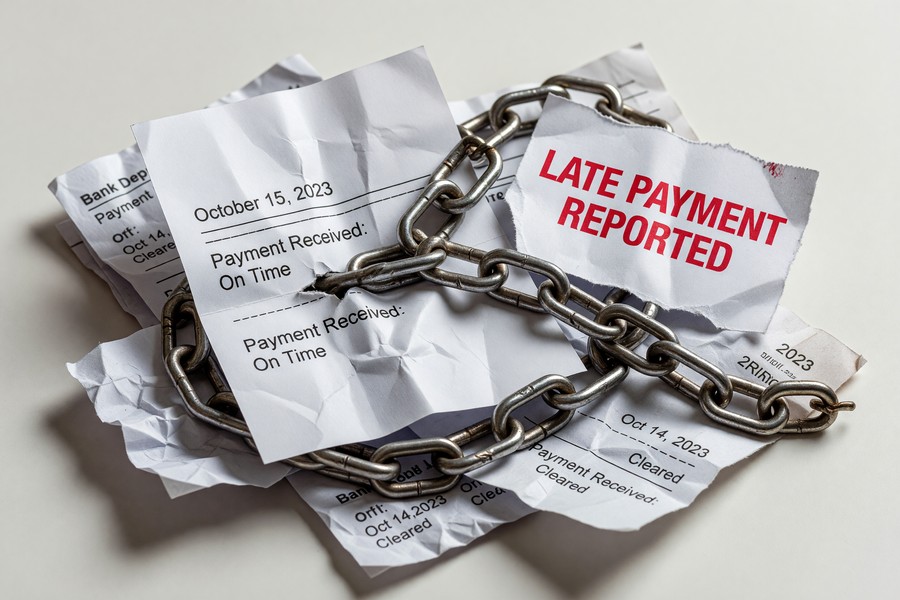
Negative item errors are the most damaging. These include late payments that were actually on time, collections accounts that belong to someone else, bankruptcies or charge-offs reported past the 7-year reporting limit, and accounts you already settled still showing a balance owed.
Any of these can significantly lower your score. If you’re working toward a major financial goal — like qualifying for a mortgage or getting a better rate on a car loan — clearing these errors can make a measurable difference. Understanding what is a good credit score helps you gauge just how much an error is costing you.
An FTC study found that 5% of consumers had errors on their credit reports significant enough to cause them to pay more for financial products like auto loans and insurance.
How to Get Your Credit Reports for Free
You can’t fix what you can’t see. The first step in learning how to dispute a credit report error is getting your hands on all three of your reports — from Equifax, Experian, and TransUnion.
The only federally authorized source for free reports is AnnualCreditReport.com. You’re entitled to one free report from each bureau every 12 months. Since the COVID-19 pandemic, the bureaus have made weekly free reports available — a policy that has been extended through 2026.
Why You Need All Three Reports
Lenders don’t always report to all three bureaus. An error might show up on your TransUnion report but not on your Equifax or Experian report. Checking all three ensures you catch every problem.
When reviewing each report, go line by line. It’s tedious, but a careful read is the only way to spot subtle errors — like a balance that’s slightly too high or a payment marked 30 days late when it was actually on time.
Download a PDF copy of each report as soon as you access it. Bureaus only let you view the full online version for a limited time. Having a saved copy makes it much easier to document errors and track changes.
How to Build Your Dispute Case
A successful dispute isn’t just about pointing at something and saying it’s wrong. You need to back it up. The stronger your documentation, the harder it is for the bureau or furnisher to ignore your claim.
Gather Your Evidence
Start by collecting any documents that prove your position. This might include bank statements showing an on-time payment, a letter from a lender confirming an account was closed, a settlement agreement, or court documents for a discharged debt.
Match each disputed item to specific supporting evidence. A dispute without documentation is easy to dismiss. One with a clear paper trail forces the bureau to take it seriously.
Write a Clear Dispute Letter
Your dispute letter should clearly identify the item you’re disputing, explain why it’s inaccurate, and list the documents you’re attaching. Keep the language factual and professional — stick to the facts.
Include your full name, address, date of birth, and Social Security number (last four digits is sufficient in most cases). You should also include your account number as it appears on the report. The CFPB provides a sample dispute letter that covers all the key components.
“Consumers who send written disputes with supporting documents see significantly better outcomes than those who use online dispute portals alone. Documentation is everything.”
| Dispute Method | Best For | Paper Trail |
|---|---|---|
| Certified Mail | Serious or complex errors | Strong — dated, trackable |
| Online Portal | Simple, clear-cut errors | Moderate — screen records only |
| Phone | Initial inquiry only | Weak — no written record |
How to File Your Dispute the Right Way
You have three options: online, by mail, or by phone. Each has trade-offs. Understanding the differences helps you choose the right method for your situation.
Filing Online vs. By Mail
Online disputes through each bureau’s website are fast and convenient. However, some consumer advocates argue that online portals can limit your ability to include full documentation and may funnel your dispute through a more automated process.
Certified mail is slower but creates a timestamped, trackable record. If you later need to escalate — to the CFPB, a lawyer, or in court — that paper trail is invaluable. For significant errors, certified mail is almost always the better choice.
Where to Send Your Dispute
Each bureau has its own dispute address. You’ll want to send your dispute to any bureau reporting the error — not just one. If the same error appears on all three reports, send separate letters to each.
You can also dispute directly with the data furnisher — the lender or creditor that reported the information. Under the FCRA, they are also required to investigate and correct inaccurate data. Disputing with both the bureau and the furnisher simultaneously can speed things up.
Avoid “credit repair” companies that charge fees to dispute errors on your behalf. They cannot do anything you can’t do yourself for free — and some are outright scams. The FTC has taken action against dozens of these companies for deceptive practices.

What Happens After You File
Once you submit your dispute, the clock starts ticking. Credit bureaus have 30 days to investigate — or 45 days if you submit additional information during that window. They must notify you of the results in writing.
During the investigation, the bureau contacts the data furnisher (your lender or creditor). The furnisher must review your claim and report back. If they can’t verify the information is accurate, it must be corrected or deleted.
Tracking Your Dispute
Keep copies of everything you sent. Note the date your dispute was received — your certified mail receipt gives you this. Set a calendar reminder for 35 days out so you can follow up if you haven’t heard back.
If the bureau corrects the error, request an updated copy of your credit report to confirm the fix appears. Errors sometimes linger even after a bureau says they’ve been resolved. Always verify with your own eyes.
If a disputed item is removed from your report, you can request that the bureau send updated reports to any lenders that pulled your credit in the past six months — for employment purposes, that window extends to two years.
When the Bureau Sides Against You
It happens. You filed a solid dispute with documentation, and the bureau still came back saying the information is “verified as accurate.” That’s not the end of the road — not even close.
Learning how to dispute a credit report error past the initial rejection is where most people give up, and where persistence pays off the most.
Escalate to the CFPB
If a bureau refuses to correct a legitimate error, file a complaint with the CFPB’s online complaint portal. The CFPB contacts the bureau directly, and bureaus tend to take CFPB complaints very seriously. Many consumers report seeing faster resolutions after escalating this way.
You can also file complaints with your state attorney general’s office, which adds another layer of pressure on the bureau to respond.
Dispute Directly With the Furnisher
Send a separate dispute letter to the original creditor or lender. Include all your documentation. Under the FCRA, they must investigate independently and cannot simply defer to whatever the bureau said.
If the error is serious and the furnisher still refuses to correct it, consult a consumer law attorney. Many work on contingency for FCRA cases — meaning you pay nothing unless you win. You can find FCRA attorneys through the National Association of Consumer Advocates.
Consumers who escalated complaints to the CFPB saw resolution rates above 80%, according to CFPB annual complaint report data. Filing a complaint costs nothing and takes about 10 minutes.
“The dispute process has real teeth when consumers use it correctly. The problem is that most people don’t know they can escalate beyond the initial bureau response.”
Protecting Your Score After a Win
Getting an error removed is a win — but the work isn’t over. You need to make sure the correction sticks and that your score actually reflects the change.
Some errors have a way of reappearing on credit reports months later, especially if the data furnisher continues to report the same incorrect information. Set a reminder to pull your reports again 60–90 days after a successful dispute.
Rebuild and Monitor Consistently
Once your report is accurate, focus on building positive habits that compound over time. On-time payments, keeping utilization low, and avoiding unnecessary hard inquiries all contribute to a stronger profile. If you’re looking to accelerate your progress, our guide on how to improve your credit score fast walks through a proven 90-day plan.
Also consider using a free credit monitoring service. Tools like Credit Karma, Experian’s free tier, or your bank’s credit score tool can alert you when new items appear on your report — so you can catch errors early, before they do serious damage.
A corrected credit report can improve your score within 30–60 days of the update. The impact depends on the severity of the error — removing a false collection account, for example, can add 50+ points for some consumers.
Your credit score affects far more than just credit cards. It influences your ability to rent an apartment, qualify for a mortgage, and even secure certain jobs. If you’re planning a major purchase, understanding what credit score you need to buy a car can help you set realistic targets after your dispute is resolved.

Your Action Plan
-
Pull all three credit reports
Visit AnnualCreditReport.com and download your Equifax, Experian, and TransUnion reports. Save a PDF copy of each. Review every line carefully, paying special attention to account status, payment history, and balances.
-
Identify and document every error
Make a list of each item you believe is inaccurate. Note which bureau is reporting it. Then gather supporting documents — bank statements, letters from creditors, payment confirmations — that directly contradict each error.
-
Write a clear, factual dispute letter
Use the CFPB’s sample letter as a starting point. Identify the disputed item by name, account number, and the reason it’s incorrect. Attach copies (never originals) of your supporting documents. Keep the tone professional and factual.
-
Send disputes via certified mail
Mail your dispute letters to each bureau reporting the error. Use USPS certified mail with return receipt so you have proof of delivery and a timestamp. Keep the receipts in a dedicated folder for this dispute.
-
Dispute with the data furnisher simultaneously
Send a separate dispute letter directly to the lender or creditor that reported the error. Include the same documentation. This creates a parallel investigation and can speed up resolution.
-
Track the 30-day window and follow up
Mark your calendar for 30 days after the bureau receives your dispute. If you haven’t received a written response by then, follow up in writing. Bureaus are legally required to respond — a missed deadline is itself a violation.
-
Escalate to the CFPB if needed
If the bureau upholds the error despite your documentation, file a complaint at consumerfinance.gov/complaint. This is free, takes about 10 minutes, and prompts the bureau to respond directly to the CFPB — which significantly increases pressure on them to act.
-
Verify the correction and monitor going forward
Once you receive confirmation of the correction, pull an updated report to confirm the change appears. Set a reminder to check your reports again in 60–90 days to ensure the error hasn’t reappeared.
Frequently Asked Questions
How long does it take to dispute a credit report error?
Most disputes are resolved within 30 to 45 days. The FCRA requires bureaus to complete their investigation within 30 days of receiving your dispute — or 45 days if you provide new information after filing. After the investigation, the bureau must notify you of its findings in writing within five days.
Does disputing a credit report error hurt my score?
No. Filing a dispute does not generate a hard inquiry and does not lower your credit score. In fact, if the dispute results in the removal of a negative item, your score will likely improve. The process itself carries no credit risk.
Can I dispute an error online, or do I need to mail a letter?
Both methods are valid. Online disputes are faster and more convenient for straightforward errors. For complex or significant errors — especially those that involve documentation — certified mail is the stronger choice because it creates a paper trail. Many consumer advocates recommend mail for anything more serious than a minor data typo.
What if the same error appears on all three credit bureau reports?
You’ll need to file a separate dispute with each bureau reporting the error. Each bureau is its own company and runs its own investigation. You should also dispute with the original data furnisher, since they are the source of the incorrect information on all three reports.
How do I dispute a credit report error if it belongs to someone else?
This is known as a “mixed file” situation. File a dispute with the bureau and clearly explain that the account does not belong to you. Include any identification documents that help establish your identity. You may also want to place a fraud alert on your reports if you suspect identity theft is involved.
What happens if the credit bureau verifies the error as accurate?
You can escalate the dispute. Start by filing a complaint with the CFPB. You can also dispute directly with the data furnisher, add a consumer statement to your report, or consult a consumer law attorney. Many FCRA attorneys work on contingency, so there’s no upfront cost to explore your legal options.
Can deleted items come back on my credit report?
Yes — this is called “re-aging” or “re-insertion.” If a bureau needs to re-insert a previously deleted item, they must notify you in writing within five business days. If the item comes back without notice, that’s a violation of the FCRA. Document it and file a complaint with the CFPB immediately.
Is it worth hiring a credit repair company to dispute errors?
Generally, no. Credit repair companies charge fees — sometimes hundreds of dollars — for services you can do yourself for free. They have no special powers or access beyond what you have under the FCRA. The FTC has pursued enforcement actions against many fraudulent credit repair firms. Save your money and handle disputes directly.
How often should I check my credit reports for errors?
At minimum, check all three reports once a year. If you’re planning a major financial move — like applying for a mortgage, car loan, or apartment — check at least three to six months before applying. That gives you time to dispute and resolve any errors before a lender pulls your report. Our article on how many credit cards to have for good credit also touches on how active account management helps keep your reports clean.
What is the best way to learn how to dispute a credit report error if I’ve never done it before?
Start with the step-by-step action plan in this guide. Then pull all three of your credit reports from AnnualCreditReport.com and review them carefully. Use the CFPB’s free dispute letter template as your starting point. The process is straightforward once you have your documentation in order — and you now have everything you need to get started.
Sources
- Federal Trade Commission — Report on Errors in Credit Reports
- Consumer Financial Protection Bureau — Credit Reports and Scores
- Consumer Financial Protection Bureau — How to Dispute a Credit Report Error
- Consumer Financial Protection Bureau — Submit a Complaint
- AnnualCreditReport.com — Free Official Credit Reports
- Federal Trade Commission — Fair Credit Reporting Act Full Text
- National Consumer Law Center — Fair Credit Reporting Resources
- National Association of Consumer Advocates — Find a Consumer Attorney
- Experian — Dispute an Item on Your Credit Report
- Equifax — File a Credit Report Dispute
- TransUnion — Dispute Your Credit Report
You pull up your credit report expecting a routine check — and then you see it. An account you never opened. A late payment that never happened. A debt you paid off years ago, still listed as outstanding. It’s frustrating, and it can feel overwhelming, especially when you realize that error may be quietly dragging down your score. Knowing how to dispute a credit report error is one of the most valuable financial skills you can have, yet most people either don’t know where to start or give up too soon.
The stakes are real. According to a landmark study by the Federal Trade Commission, one in five Americans has an error on at least one of their credit reports — and one in 20 has an error significant enough to affect the interest rates they’re offered. A single mistake could mean paying hundreds more per year on a loan, getting denied for an apartment, or losing out on a job opportunity.
In this guide, you’ll get a clear, step-by-step roadmap for disputing credit report errors — from identifying what’s wrong, to filing with the right bureaus, to following up when they try to brush you off. No fluff, no vague advice. Just the exact process that works.
Key Takeaways
- 1 in 5 Americans has at least one error on their credit report, according to the FTC.
- You have the legal right to dispute errors for free under the Fair Credit Reporting Act (FCRA).
- Credit bureaus have 30 days (sometimes 45) to investigate and respond to your dispute.
- Filing disputes with all three bureaus — Equifax, Experian, and TransUnion — is often necessary, since errors don’t always appear on every report.
- Sending disputes via certified mail creates a paper trail that can be critical if you need to escalate.
- If a bureau fails to correct a verified error, you can file a complaint with the Consumer Financial Protection Bureau (CFPB) within days.
In This Guide
Your Legal Rights Under the FCRA
Most people don’t realize they have powerful federal protections when it comes to their credit data. The Fair Credit Reporting Act (FCRA) gives every consumer the right to dispute inaccurate or incomplete information — completely free of charge.
Under the FCRA, credit bureaus are legally required to investigate your dispute. They must also forward your evidence to the original data furnisher (the lender or creditor that reported the information). This is not optional — it’s the law.
Who Enforces These Rights
The Consumer Financial Protection Bureau (CFPB) oversees enforcement of the FCRA and accepts consumer complaints. If a bureau ignores your dispute or refuses to correct a legitimate error, you have real recourse — including the ability to sue in federal court.
The Federal Trade Commission also plays a role in consumer education around credit rights. Knowing these agencies exist — and knowing how to use them — is a major advantage when you’re learning how to dispute a credit report error effectively.
Under the FCRA, you can also add a 100-word consumer statement to your credit file explaining a dispute, even if the bureau sides with the furnisher. This statement shows up whenever a lender pulls your report.
Types of Errors to Look For
Not all credit report errors are the same. Some are minor data glitches. Others are serious enough to tank your score by 50 points or more. Knowing what you’re looking for makes the process faster and more targeted.
The most impactful errors are typically those related to payment history and account status — since payment history accounts for roughly 35% of your FICO score.
Identity and Account Errors
Identity errors include wrong name spellings, outdated addresses, or someone else’s accounts mixed in with yours (sometimes called a “mixed file”). These can happen if your name is similar to a family member’s or after a data entry mistake at a lender.
Account errors include open accounts that should be closed, incorrect credit limits, balances shown as higher than they are, and duplicate accounts. Each of these can inflate your credit utilization ratio or suggest you carry more debt than you do.
Negative Item Errors
Negative item errors are the most damaging. These include late payments that were actually on time, collections accounts that belong to someone else, bankruptcies or charge-offs reported past the 7-year reporting limit, and accounts you already settled still showing a balance owed.
Any of these can significantly lower your score. If you’re working toward a major financial goal — like qualifying for a mortgage or getting a better rate on a car loan — clearing these errors can make a measurable difference. Understanding what is a good credit score helps you gauge just how much an error is costing you.
An FTC study found that 5% of consumers had errors on their credit reports significant enough to cause them to pay more for financial products like auto loans and insurance.
How to Get Your Credit Reports for Free
You can’t fix what you can’t see. The first step in learning how to dispute a credit report error is getting your hands on all three of your reports — from Equifax, Experian, and TransUnion.
The only federally authorized source for free reports is AnnualCreditReport.com. You’re entitled to one free report from each bureau every 12 months. Since the COVID-19 pandemic, the bureaus have made weekly free reports available — a policy that has been extended through 2026.
Why You Need All Three Reports
Lenders don’t always report to all three bureaus. An error might show up on your TransUnion report but not on your Equifax or Experian report. Checking all three ensures you catch every problem.
When reviewing each report, go line by line. It’s tedious, but a careful read is the only way to spot subtle errors — like a balance that’s slightly too high or a payment marked 30 days late when it was actually on time.
Download a PDF copy of each report as soon as you access it. Bureaus only let you view the full online version for a limited time. Having a saved copy makes it much easier to document errors and track changes.
How to Build Your Dispute Case
A successful dispute isn’t just about pointing at something and saying it’s wrong. You need to back it up. The stronger your documentation, the harder it is for the bureau or furnisher to ignore your claim.
Gather Your Evidence
Start by collecting any documents that prove your position. This might include bank statements showing an on-time payment, a letter from a lender confirming an account was closed, a settlement agreement, or court documents for a discharged debt.
Match each disputed item to specific supporting evidence. A dispute without documentation is easy to dismiss. One with a clear paper trail forces the bureau to take it seriously.
Write a Clear Dispute Letter
Your dispute letter should clearly identify the item you’re disputing, explain why it’s inaccurate, and list the documents you’re attaching. Keep the language factual and professional — stick to the facts.
Include your full name, address, date of birth, and Social Security number (last four digits is sufficient in most cases). You should also include your account number as it appears on the report. The CFPB provides a sample dispute letter that covers all the key components.
“Consumers who send written disputes with supporting documents see significantly better outcomes than those who use online dispute portals alone. Documentation is everything.”
| Dispute Method | Best For | Paper Trail |
|---|---|---|
| Certified Mail | Serious or complex errors | Strong — dated, trackable |
| Online Portal | Simple, clear-cut errors | Moderate — screen records only |
| Phone | Initial inquiry only | Weak — no written record |
How to File Your Dispute the Right Way
You have three options: online, by mail, or by phone. Each has trade-offs. Understanding the differences helps you choose the right method for your situation.
Filing Online vs. By Mail
Online disputes through each bureau’s website are fast and convenient. However, some consumer advocates argue that online portals can limit your ability to include full documentation and may funnel your dispute through a more automated process.
Certified mail is slower but creates a timestamped, trackable record. If you later need to escalate — to the CFPB, a lawyer, or in court — that paper trail is invaluable. For significant errors, certified mail is almost always the better choice.
Where to Send Your Dispute
Each bureau has its own dispute address. You’ll want to send your dispute to any bureau reporting the error — not just one. If the same error appears on all three reports, send separate letters to each.
You can also dispute directly with the data furnisher — the lender or creditor that reported the information. Under the FCRA, they are also required to investigate and correct inaccurate data. Disputing with both the bureau and the furnisher simultaneously can speed things up.
Avoid “credit repair” companies that charge fees to dispute errors on your behalf. They cannot do anything you can’t do yourself for free — and some are outright scams. The FTC has taken action against dozens of these companies for deceptive practices.
What Happens After You File
Once you submit your dispute, the clock starts ticking. Credit bureaus have 30 days to investigate — or 45 days if you submit additional information during that window. They must notify you of the results in writing.
During the investigation, the bureau contacts the data furnisher (your lender or creditor). The furnisher must review your claim and report back. If they can’t verify the information is accurate, it must be corrected or deleted.
Tracking Your Dispute
Keep copies of everything you sent. Note the date your dispute was received — your certified mail receipt gives you this. Set a calendar reminder for 35 days out so you can follow up if you haven’t heard back.
If the bureau corrects the error, request an updated copy of your credit report to confirm the fix appears. Errors sometimes linger even after a bureau says they’ve been resolved. Always verify with your own eyes.
If a disputed item is removed from your report, you can request that the bureau send updated reports to any lenders that pulled your credit in the past six months — for employment purposes, that window extends to two years.
When the Bureau Sides Against You
It happens. You filed a solid dispute with documentation, and the bureau still came back saying the information is “verified as accurate.” That’s not the end of the road — not even close.
Learning how to dispute a credit report error past the initial rejection is where most people give up, and where persistence pays off the most.
Escalate to the CFPB
If a bureau refuses to correct a legitimate error, file a complaint with the CFPB’s online complaint portal. The CFPB contacts the bureau directly, and bureaus tend to take CFPB complaints very seriously. Many consumers report seeing faster resolutions after escalating this way.
You can also file complaints with your state attorney general’s office, which adds another layer of pressure on the bureau to respond.
Dispute Directly With the Furnisher
Send a separate dispute letter to the original creditor or lender. Include all your documentation. Under the FCRA, they must investigate independently and cannot simply defer to whatever the bureau said.
If the error is serious and the furnisher still refuses to correct it, consult a consumer law attorney. Many work on contingency for FCRA cases — meaning you pay nothing unless you win. You can find FCRA attorneys through the National Association of Consumer Advocates.
Consumers who escalated complaints to the CFPB saw resolution rates above 80%, according to CFPB annual complaint report data. Filing a complaint costs nothing and takes about 10 minutes.
“The dispute process has real teeth when consumers use it correctly. The problem is that most people don’t know they can escalate beyond the initial bureau response.”
Protecting Your Score After a Win
Getting an error removed is a win — but the work isn’t over. You need to make sure the correction sticks and that your score actually reflects the change.
Some errors have a way of reappearing on credit reports months later, especially if the data furnisher continues to report the same incorrect information. Set a reminder to pull your reports again 60–90 days after a successful dispute.
Rebuild and Monitor Consistently
Once your report is accurate, focus on building positive habits that compound over time. On-time payments, keeping utilization low, and avoiding unnecessary hard inquiries all contribute to a stronger profile. If you’re looking to accelerate your progress, our guide on how to improve your credit score fast walks through a proven 90-day plan.
Also consider using a free credit monitoring service. Tools like Credit Karma, Experian’s free tier, or your bank’s credit score tool can alert you when new items appear on your report — so you can catch errors early, before they do serious damage.
A corrected credit report can improve your score within 30–60 days of the update. The impact depends on the severity of the error — removing a false collection account, for example, can add 50+ points for some consumers.
Your credit score affects far more than just credit cards. It influences your ability to rent an apartment, qualify for a mortgage, and even secure certain jobs. If you’re planning a major purchase, understanding what credit score you need to buy a car can help you set realistic targets after your dispute is resolved.
Your Action Plan
-
Pull all three credit reports
Visit AnnualCreditReport.com and download your Equifax, Experian, and TransUnion reports. Save a PDF copy of each. Review every line carefully, paying special attention to account status, payment history, and balances.
-
Identify and document every error
Make a list of each item you believe is inaccurate. Note which bureau is reporting it. Then gather supporting documents — bank statements, letters from creditors, payment confirmations — that directly contradict each error.
-
Write a clear, factual dispute letter
Use the CFPB’s sample letter as a starting point. Identify the disputed item by name, account number, and the reason it’s incorrect. Attach copies (never originals) of your supporting documents. Keep the tone professional and factual.
-
Send disputes via certified mail
Mail your dispute letters to each bureau reporting the error. Use USPS certified mail with return receipt so you have proof of delivery and a timestamp. Keep the receipts in a dedicated folder for this dispute.
-
Dispute with the data furnisher simultaneously
Send a separate dispute letter directly to the lender or creditor that reported the error. Include the same documentation. This creates a parallel investigation and can speed up resolution.
-
Track the 30-day window and follow up
Mark your calendar for 30 days after the bureau receives your dispute. If you haven’t received a written response by then, follow up in writing. Bureaus are legally required to respond — a missed deadline is itself a violation.
-
Escalate to the CFPB if needed
If the bureau upholds the error despite your documentation, file a complaint at consumerfinance.gov/complaint. This is free, takes about 10 minutes, and prompts the bureau to respond directly to the CFPB — which significantly increases pressure on them to act.
-
Verify the correction and monitor going forward
Once you receive confirmation of the correction, pull an updated report to confirm the change appears. Set a reminder to check your reports again in 60–90 days to ensure the error hasn’t reappeared.
Frequently Asked Questions
How long does it take to dispute a credit report error?
Most disputes are resolved within 30 to 45 days. The FCRA requires bureaus to complete their investigation within 30 days of receiving your dispute — or 45 days if you provide new information after filing. After the investigation, the bureau must notify you of its findings in writing within five days.
Does disputing a credit report error hurt my score?
No. Filing a dispute does not generate a hard inquiry and does not lower your credit score. In fact, if the dispute results in the removal of a negative item, your score will likely improve. The process itself carries no credit risk.
Can I dispute an error online, or do I need to mail a letter?
Both methods are valid. Online disputes are faster and more convenient for straightforward errors. For complex or significant errors — especially those that involve documentation — certified mail is the stronger choice because it creates a paper trail. Many consumer advocates recommend mail for anything more serious than a minor data typo.
What if the same error appears on all three credit bureau reports?
You’ll need to file a separate dispute with each bureau reporting the error. Each bureau is its own company and runs its own investigation. You should also dispute with the original data furnisher, since they are the source of the incorrect information on all three reports.
How do I dispute a credit report error if it belongs to someone else?
This is known as a “mixed file” situation. File a dispute with the bureau and clearly explain that the account does not belong to you. Include any identification documents that help establish your identity. You may also want to place a fraud alert on your reports if you suspect identity theft is involved.
What happens if the credit bureau verifies the error as accurate?
You can escalate the dispute. Start by filing a complaint with the CFPB. You can also dispute directly with the data furnisher, add a consumer statement to your report, or consult a consumer law attorney. Many FCRA attorneys work on contingency, so there’s no upfront cost to explore your legal options.
Can deleted items come back on my credit report?
Yes — this is called “re-aging” or “re-insertion.” If a bureau needs to re-insert a previously deleted item, they must notify you in writing within five business days. If the item comes back without notice, that’s a violation of the FCRA. Document it and file a complaint with the CFPB immediately.
Is it worth hiring a credit repair company to dispute errors?
Generally, no. Credit repair companies charge fees — sometimes hundreds of dollars — for services you can do yourself for free. They have no special powers or access beyond what you have under the FCRA. The FTC has pursued enforcement actions against many fraudulent credit repair firms. Save your money and handle disputes directly.
How often should I check my credit reports for errors?
At minimum, check all three reports once a year. If you’re planning a major financial move — like applying for a mortgage, car loan, or apartment — check at least three to six months before applying. That gives you time to dispute and resolve any errors before a lender pulls your report. Our article on how many credit cards to have for good credit also touches on how active account management helps keep your reports clean.
What is the best way to learn how to dispute a credit report error if I’ve never done it before?
Start with the step-by-step action plan in this guide. Then pull all three of your credit reports from AnnualCreditReport.com and review them carefully. Use the CFPB’s free dispute letter template as your starting point. The process is straightforward once you have your documentation in order — and you now have everything you need to get started.
Sources
- Federal Trade Commission — Report on Errors in Credit Reports
- Consumer Financial Protection Bureau — Credit Reports and Scores
- Consumer Financial Protection Bureau — How to Dispute a Credit Report Error
- Consumer Financial Protection Bureau — Submit a Complaint
- AnnualCreditReport.com — Free Official Credit Reports
- Federal Trade Commission — Fair Credit Reporting Act Full Text
- National Consumer Law Center — Fair Credit Reporting Resources
- National Association of Consumer Advocates — Find a Consumer Attorney
- Experian — Dispute an Item on Your Credit Report
- Equifax — File a Credit Report Dispute
- TransUnion — Dispute Your Credit Report