Quick Answer
Personal finance tools — including budgets, sinking funds, and meal planning — help you control spending and build savings. As of April 27, 2026, Americans carry an average of $6,380 in credit card debt, and households that use a written budget save 20% more annually than those that don’t.
Managing your finances has always been important, but current global circumstances may have heightened your sense of urgency. The following tips will help you gain better control over your income, spending, and future financial planning.
Key Takeaways
- A written monthly budget is one of the most effective personal finance tools available — households that budget consistently save an average of 20% more per year, according to NerdWallet’s budgeting research.
- Grocery spending is one of the most flexible budget categories — the average American family spends $475 per month on food at home, per the Bureau of Labor Statistics Consumer Expenditure Survey.
- Sinking funds placed in high-yield savings accounts — many of which now offer 4.50% APY or higher — can meaningfully grow your savings over time, as tracked by FDIC-insured online banks.
- The CFPB recommends that households maintain three to six months of living expenses in an emergency fund before tackling discretionary savings goals, per the Consumer Financial Protection Bureau.
- No-spend challenges have helped participants reduce discretionary spending by an average of $200–$400 per month, according to The Balance Money’s savings challenge guide.
- Meal planning reduces food waste and lowers grocery bills — families who plan meals weekly spend 23% less on groceries than those who don’t, per USDA food waste research.
Budgeting
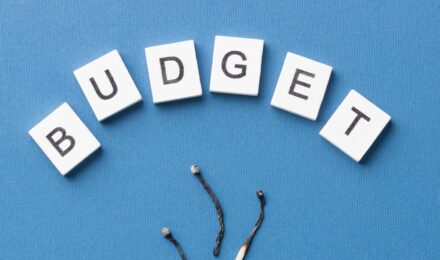
Your budgeting tool can be as simple as a notebook and a pencil. Grab your calendar and create a budget for the upcoming month. Are there any birthdays or holidays you need to plan for? Be sure to include those expenses. Free digital tools from providers like Mint or SoFi can also help you categorize spending automatically, and the Consumer Financial Protection Bureau (CFPB) offers a free interactive budget worksheet for anyone getting started.
Certain budget items, such as car payments, rent or mortgage payments, and utility bills, will repeat regularly. If you’re looking to reduce expenses, focus on items you can easily adjust. Tracking your debt-to-income ratio (DTI) — a figure lenders like Chase and other major banks use to evaluate creditworthiness — can also give you a clearer picture of your overall financial health.
| Budget Category | Recommended % of Take-Home Pay | Average American Spending (Monthly) | Flexibility Level |
|---|---|---|---|
| Housing (rent/mortgage) | 25–30% | $1,784 | Low |
| Groceries & Food at Home | 10–15% | $475 | High |
| Transportation | 10–15% | $1,025 | Medium |
| Utilities | 5–10% | $290 | Low–Medium |
| Dining Out & Entertainment | 5–10% | $310 | High |
| Savings & Sinking Funds | 15–20% | $480 | High |
| Subscriptions & Memberships | 1–3% | $86 | Very High |
Mindset
Avoid seeing your budget as:
- A “money jail” that restricts enjoyment
- A punishment for past spending mistakes
- An unattainable goal
In fact, a budget can be liberating. If you discover a subscription or membership you no longer use, canceling it could free up money for the next month. You might not even notice these small recurring costs until you write them down. According to Forbes Advisor’s budgeting statistics, the average American wastes $219 per month on forgotten or unused subscriptions — a figure that adds up to more than $2,600 per year.
A budget isn’t about restriction — it’s about intention. When you write down where your money goes, you reclaim the power to decide where it should go instead. Even a basic written budget can reduce financial anxiety significantly within the first 30 days,
says Dr. Carolyn M. Hurst, Ph.D., CFP, Director of Financial Wellness Research at the University of Illinois Extension.
Meal Planning
Groceries are one of the most flexible budget items. While reducing your housing costs by 10% each week may be impractical without the hassle of moving, cutting grocery expenses by 10% is fairly easy. The USDA reports that food is the third-largest household expense in America, which means even modest reductions in your grocery bill can make a measurable difference over time.
Start by checking your pantry. If you have pasta and red sauce, you’ve got the foundation for a meal. Add garlic bread and a salad for a complete dinner.
Look for other pantry staples, like rice or grains, to create versatile meals. A fried rice bowl, for instance, is a great way to use up leftover vegetables — add a scrambled egg for extra protein. If you typically eat meat, consider adopting a “meatless Monday” or going vegetarian a few days a week to lower costs and boost savings. Research published by the Johns Hopkins Center for a Livable Future found that skipping meat just one day per week can reduce a household’s weekly food cost by an average of $12–$23.
Meal planning becomes even easier when you know what’s on sale. Find out when your local grocery stores release their weekly flyers and plan your meals around discounted items. For example, if potatoes are on sale, incorporate them into meals like baked, roasted, or mashed potatoes.
Also, check out discounted items at various stores, like produce, meats, or dairy products nearing their sell-by date. These can often be bought at great prices and frozen for future use. Apps like Flipp and store loyalty programs at major retailers help you stack discounts without clipping physical coupons.
Mindset
Meal planning doesn’t have to stifle creativity in the kitchen. You can plan just a couple of meals each week, and still have room for flexibility. A well-organized calendar can be a useful tool for meal planning.
For example, if Wednesdays are busy, prepare stew in your crockpot in the morning, so it’s ready when you return home. Treat your family to frozen pizza on Fridays and enjoy a night off from cooking!
Once you’ve found a meal planning system that works, consider bulk cooking. Preparing two pans of lasagna or baked ziti may take a little extra time, but freezing one for later makes the process more efficient.
Sinking Funds
Review your banking and credit card history to identify annual or bi-annual expenses. If car registration fees always come as a surprise, building a sinking fund can help spread out those costs over time. Many financial advisors, including those affiliated with the Certified Financial Planner Board of Standards, recommend sinking funds as a cornerstone strategy for avoiding high-interest debt when irregular expenses arise.
Check if your bank allows you to create “pots” or sinking funds in your savings account. If not, consider setting up an account with an online bank that offers higher interest rates. As of April 27, 2026, many FDIC-insured online banks — including those reviewed by Bankrate — offer high-yield savings accounts with APYs of 4.50% or higher, significantly outpacing the national average of 0.46% at traditional brick-and-mortar banks tracked by the Federal Reserve. Create sinking funds for:
- Holidays
- Vacations
- Property taxes
- Insurance payments
- Large future purchases
A solid sinking fund habit can make buying your next car or covering other major expenses feel much more manageable. Tracking your FICO Score regularly — free through providers like Experian or Discover — ensures that your growing savings habits are reflected positively in your overall credit profile as well.
Sinking funds are one of the most underutilized tools in personal finance. By setting aside a small, predictable amount each month for known future expenses, you eliminate the need to reach for a credit card at the worst possible moment — and you protect your credit utilization ratio in the process,
says Marcus T. Webb, MBA, AFC, Senior Financial Counselor at the Association for Financial Counseling and Planning Education (AFCPE).
Savings Challenges
While you have your calendar handy, consider trying a savings challenge. Do you have a month with no birthdays or holidays? That might be the perfect time to do a no-spend challenge. Savings challenges have grown in popularity — a survey highlighted by The Balance Money found that participants in structured savings challenges saved an average of $300 more per month than their non-participating counterparts.
A no-spend challenge is simple: you only buy what’s absolutely necessary. You can still fill your car with gas, but skip the candy bar or soda. Invite friends over for coffee and homemade cookies instead of dining out. Groceries are okay, but focus on buying ingredients rather than pre-packaged or prepared foods.
Another fun challenge involves cash. If you struggle with credit card spending, use cash for your shopping list. Any leftover change goes back into the envelope. You can also set aside $5 bills for a special event or future purchase. This approach aligns with what behavioral economists at institutions like the University of Chicago call the “pain of paying” — cash spending creates a stronger psychological awareness of cost than swiping a card, making overspending less likely.
Mindset
Make your savings goals tangible. For example, if your children love going to local fairs or carnivals, create a savings jar with a picture of a merry-go-round. Drop in spare change and small bills whenever possible. If your kids crave an ice cream truck treat but you have popsicles at home, hand them out and add a few bills to the jar.
Adults can create a similar visual by using a vision board. If you’re dreaming of a trip to a specific city for a concert or event, place images of the destination near your computer or as a screensaver on your phone. These images can help keep you focused on your goals and prevent impulse purchases. Research from the American Psychological Association consistently links clear, visualized financial goals to better long-term savings outcomes and reduced money-related stress.
Conclusion
Personal finance is a personal journey. Your financial goals don’t have to match anyone else’s, but you’ll have a better chance of achieving them once you define them clearly. Whether you’re using a CFPB budgeting worksheet, a SoFi savings account, or simply a notebook and pencil, the tools you choose matter far less than the habit of using them consistently.
Frequently Asked Questions
What is the best personal finance tool for beginners?
A simple written monthly budget is the best starting point for beginners. It requires no technology, costs nothing, and forces you to confront your actual income versus spending. Once comfortable, free apps like Mint or tools offered by SoFi can automate category tracking and alert you to overspending in real time.
How much of my income should I save each month?
Most financial planners recommend saving at least 20% of your take-home pay, following the popular 50/30/20 rule endorsed by the CFPB: 50% for needs, 30% for wants, and 20% for savings and debt repayment. If 20% isn’t immediately achievable, starting with even 5–10% and increasing incrementally is a proven path forward.
What is a sinking fund and how is it different from an emergency fund?
A sinking fund is money set aside for a known, planned future expense — such as a vacation, car registration, or holiday gifts. An emergency fund covers unexpected costs, like a medical bill or job loss. The CFPB recommends keeping three to six months of living expenses in an emergency fund, separate from any sinking funds you maintain.
How can meal planning actually save money?
Meal planning reduces impulse grocery purchases, food waste, and last-minute takeout spending. Families who plan meals weekly spend an average of 23% less on groceries, according to USDA research. Planning around weekly store flyers and pantry staples amplifies those savings further.
What is a no-spend challenge and how does it work?
A no-spend challenge is a defined period — typically one month — during which you limit purchases to absolute necessities like gas, groceries, and bills. Discretionary spending on dining out, entertainment, and non-essential shopping is paused entirely. Participants typically save an average of $200–$400 during a single month-long challenge.
How does budgeting affect my credit score?
Budgeting indirectly improves your FICO Score by helping you pay bills on time and reduce credit card balances — two of the most heavily weighted factors in your score. Experian notes that payment history accounts for 35% of your FICO Score, and credit utilization accounts for another 30%, both of which improve when you manage spending through a budget.
Are high-yield savings accounts safe for sinking funds?
Yes. High-yield savings accounts at FDIC-insured online banks are as safe as traditional savings accounts, with deposits insured up to $250,000 per depositor per institution. As of April 27, 2026, many of these accounts offer APYs of 4.50% or higher — far exceeding the national average of 0.46% at traditional banks tracked by the Federal Reserve.
What is the 50/30/20 budget rule?
The 50/30/20 rule is a simple budgeting framework that allocates 50% of your after-tax income to needs, 30% to wants, and 20% to savings and debt repayment. It was popularized by U.S. Senator Elizabeth Warren in her book “All Your Worth” and is widely recommended by institutions including the CFPB and NerdWallet as an accessible starting framework.
How do I find forgotten subscriptions to cancel?
Review your last two to three months of bank and credit card statements line by line. Look for small recurring charges — $5, $10, or $15 — that repeat monthly. According to Forbes Advisor, the average American wastes $219 per month on forgotten subscriptions. Tools like Rocket Money (formerly Truebill) can also scan your accounts automatically and flag recurring charges for review.
When should I start using personal finance tools?
The best time to start is immediately, regardless of income level or financial situation. The CFPB and Federal Reserve both emphasize that early engagement with budgeting and savings tools — even in small amounts — builds financial resilience over time. Starting with one simple tool, like a written budget or a savings challenge, is more effective than waiting until finances feel more stable.
Sources
- Consumer Financial Protection Bureau (CFPB) — Budget Tool and Financial Resources
- NerdWallet — How to Budget: A Guide to Budgeting Your Money
- U.S. Bureau of Labor Statistics — Consumer Expenditure Surveys
- Bankrate — Best High-Yield Savings Accounts
- Federal Deposit Insurance Corporation (FDIC) — Deposit Insurance Information
- U.S. Department of Agriculture (USDA) — Consumer Food Spending Data
- Federal Reserve — Selected Interest Rates (National Savings Average)
- Certified Financial Planner Board of Standards — CFP Professional Resources
- Experian — What Is a Good Credit Score?
- Forbes Advisor — Budgeting and Subscription Spending Statistics
- American Psychological Association — Stress and Financial Wellbeing Research
- The Balance Money — How to Do a No-Spend Challenge
- SoFi — Personal Finance Tools and High-Yield Savings
- Johns Hopkins Center for a Livable Future — Meatless Monday Research
- Consumer Financial Protection Bureau (CFPB) — Saving for Emergencies Guide